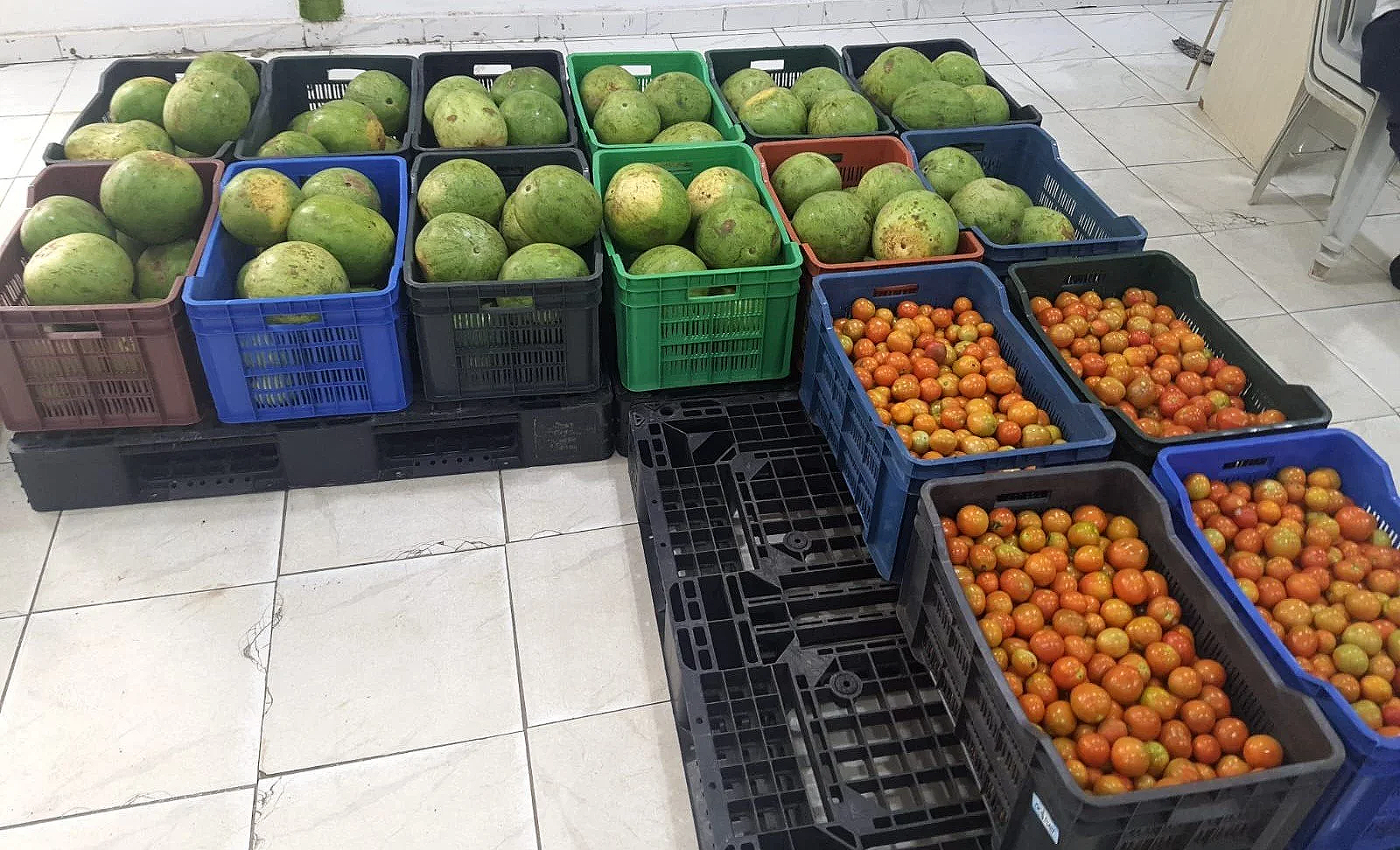
Understanding Surplus Food Redistribution within Contemporary Food Systems
A parallel case study of surplus food redistribution systems in Nigeria and the United Kingdom.
This doctoral research situates surplus food redistribution within today's food systems, exploring how redistribution systems generate social, economic, and environmental value across contrasting governance and infrastructural contexts. Using a parallel comparative case study design, the project analyses redistribution systems operating in Nigeria and the United Kingdom to explore how institutional structures, organisational practices, and cultural environments influence value creation.
The study contributes to ongoing debates on food insecurity, waste reduction, sustainability transitions, and governance within contemporary food systems, providing valuable insights for policymakers, civil society organisations, and practitioners.
This website serves as a public- facing research hub, providing information on the project, the methods used, and selected outputs as the study progresses.
What The Research Examines
Social value
Food access, dignity, community support, volunteering, and local engagement within redistribution systems.
Economic value
Cost savings, organisational value, skills development, and employability outcomes for stakeholders
Environmental value
Food waste reduction, resource efficiency, and environmental benefits associated with redistribution
Why This Research
Surplus food redistribution sits at the intersection of food security, sustainability and governance. This research closely examines the approaches adopted in Nigeria and the United Kingdom, exploring how the redistribution of surplus food can generate social, economic, and environmental benefits across various food system contexts.
Research in Practice
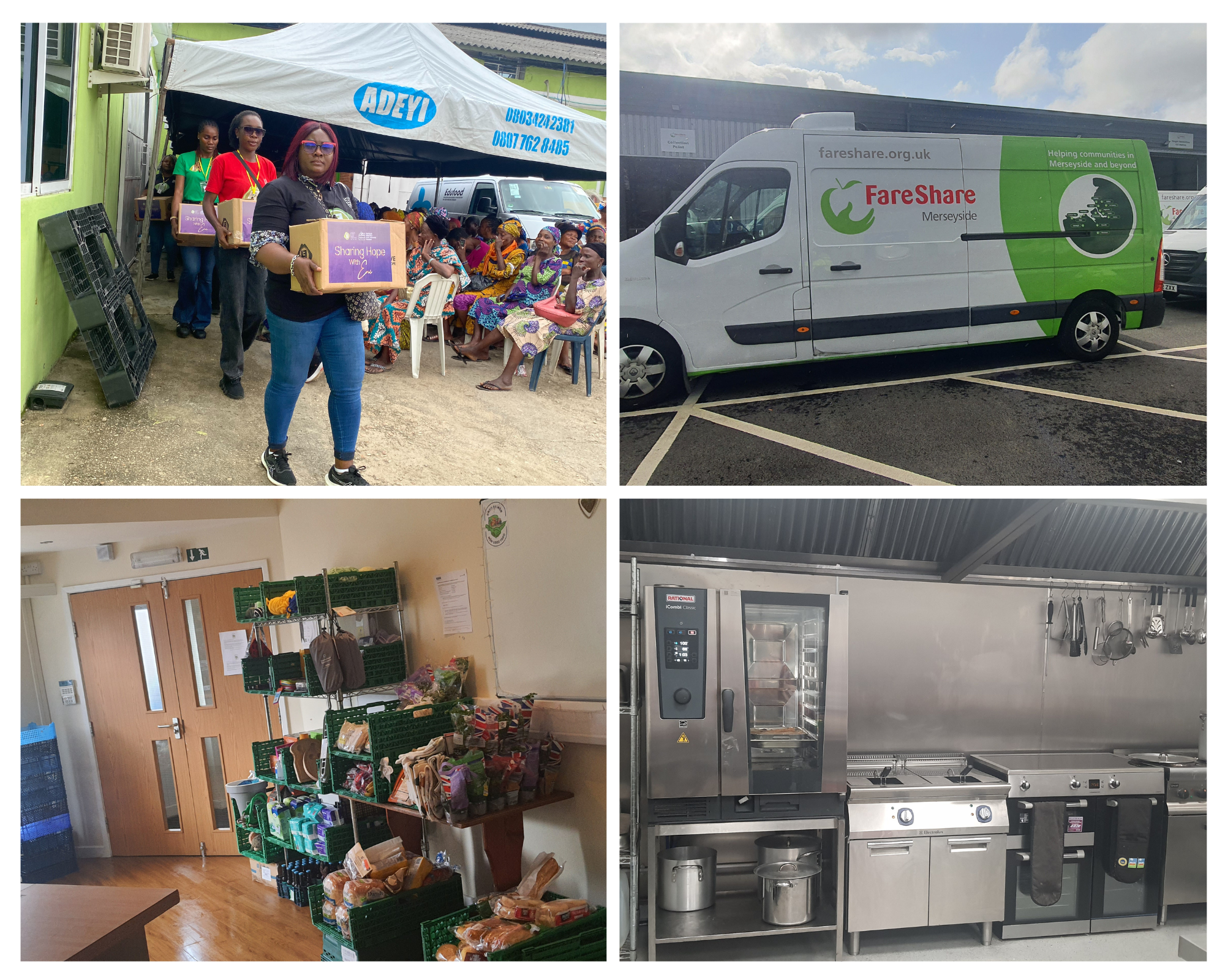
Fieldwork undertaken with the Lagos Food Bank Initiative (Nigeria), FareShare Merseyside, Bwyd Da Môn, and Porthi Dre to explore how surplus food redistribution contributes to food access, community resilience, and environmental sustainability across different contexts.
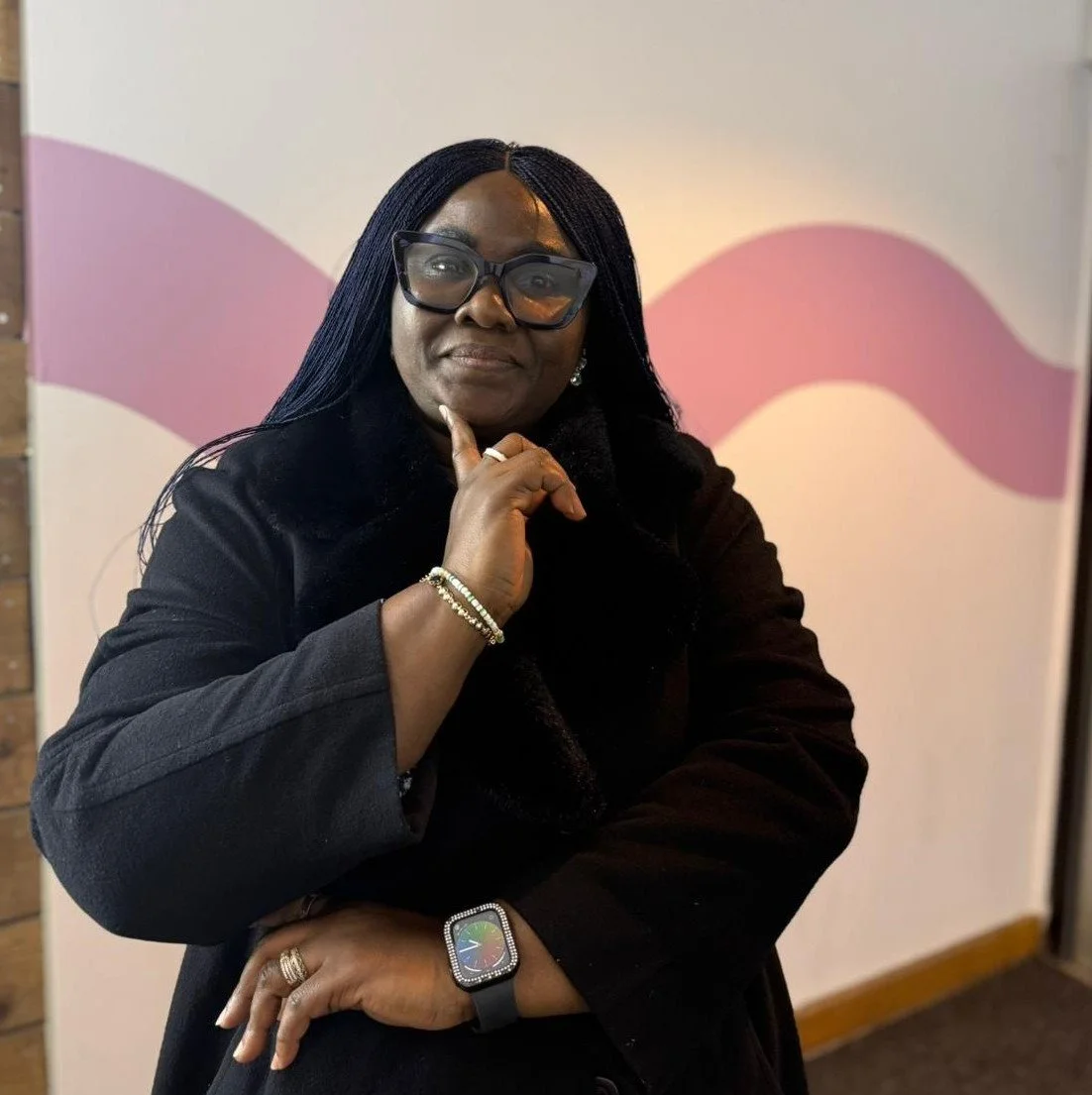
Meet the Researcher - Perpetua Ifiemor
I am Perpetua Ifiemor, a PhD researcher at Bangor University with a passion for understanding how food that would otherwise go to waste can be transformed into opportunities for people, communities, and the environment.
My research takes me from community food hubs in North Wales to food redistribution organisations in Nigeria, where I work alongside practitioners, volunteers, and community organisations to explore how surplus food systems support food access, sustainability, and resilience.
What motivates me most is seeing how practical, community-led solutions can create positive change. Through my research, I hope to contribute to conversations that move beyond food waste and food insecurity as separate challenges and instead highlight the possibilities that emerge when communities, organisations, and policymakers work together.
When I am not conducting research, I enjoy engaging with communities, mentoring students, contributing to public conversations on sustainability, and finding opportunities to connect research with real-world impact. Outside academia, I enjoy caring for my plants and occasionally talking to them, something I like to believe is good for both the plants and the researcher.
Featured Experience
Welsh Government Strategic Evidence Unit
Policy Experience| 2026
Contributed to the development of a searchable evidence repository supporting evidence-informed policymaking within the Climate Change and Rural Affairs portfolio.
Latest Updates & Upcoming Engagements
RGS-IBG Annual International Conference 2026
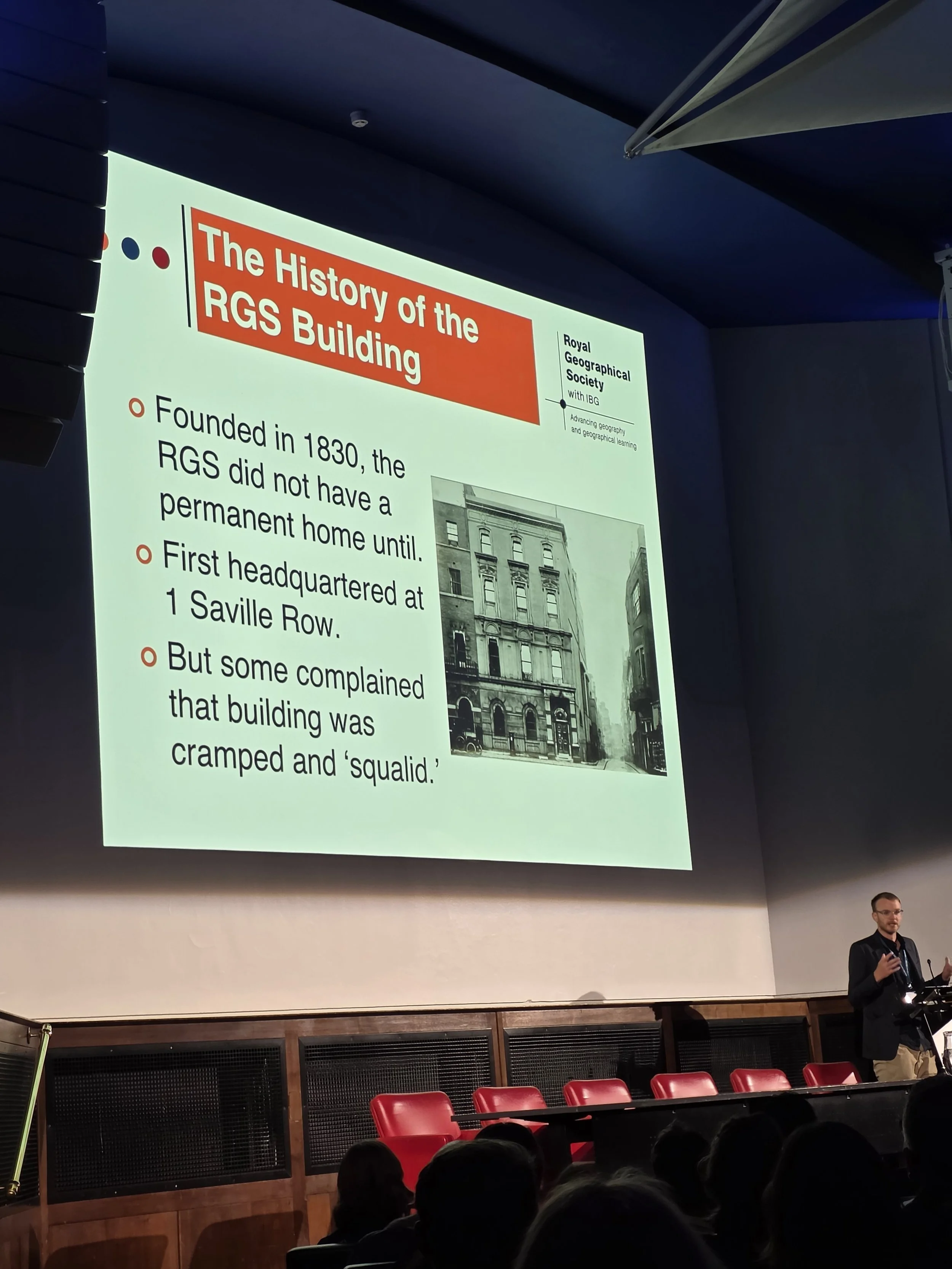
I presented my research at the RGS-IBG Annual International Conference in London, contributing to conversations around participatory geographies, food redistribution and inequalities. I also co-convened two sessions: the New and Emerging Rural Researchers session, as part of my role with the Rural Geography Research Group (RGRG), and Innovative and fair food communities: towards shared knowledge, shared hope and future resilience for the Participatory Geographies Research Group (PyGyRG).
Nigeria-Wales Knowledge Exchange Workshop Successfully Delivered (July 2026)
Researchers, practitioners, policymakers, and community organisations from Nigeria and Wales came together to explore how surplus food redistribution can strengthen food access, sustainability, and cross-country collaboration.