Research Fieldwork & International Collaboration
Lagos Food Bank Initiative Fieldwork
Participant Observation & Practitioner Engagement | Lagos, Nigeria | 2024
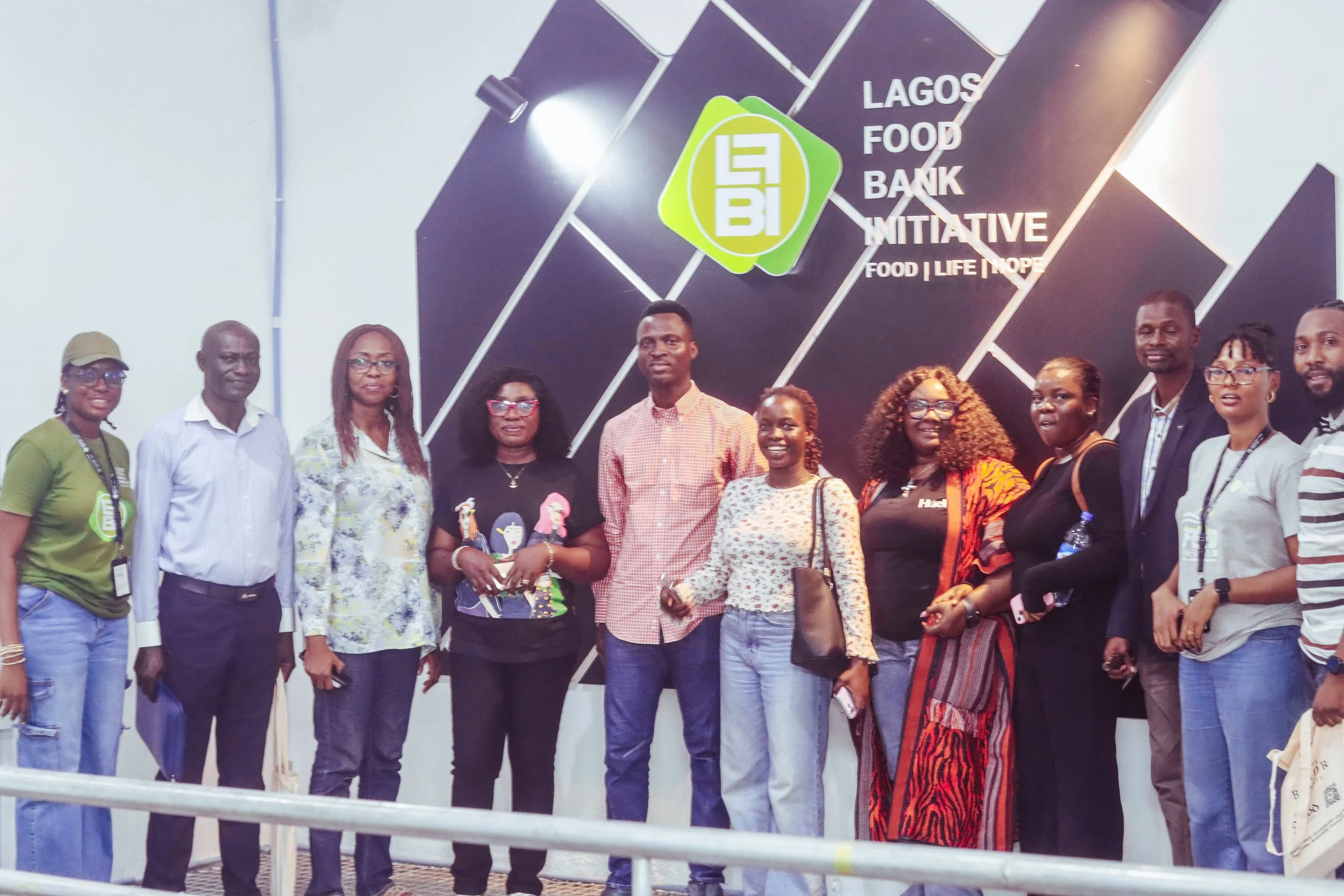
I undertook my first doctoral fieldwork with the Lagos Food Bank Initiative (LFBI) to explore the social, economic, and environmental dimensions of surplus food redistribution. Through participant observation, practitioner engagement, and involvement in selected food distribution and recovery activities, the fieldwork provided me with first-hand insights into how food redistribution systems operate within the Nigerian context. The experience contributed to a deeper understanding of organisational practices, stakeholder relationships, food access challenges, and the wider role of redistribution initiatives in addressing food insecurity and food waste. I also gained a new perspective and clarified my assumptions on food access and hunger in Nigeria.
Audience: Practitioners, volunteers, community organisations
Contribution: Volunteer researcher and participant observer
These photographs document selected fieldwork and participant observation activities undertaken as part of the Surplus Food Systems Research programme. They illustrate research settings and engagement activities but do not present research findings.
Selected Fieldwork Activities (Lagos Food Bank Initiative)
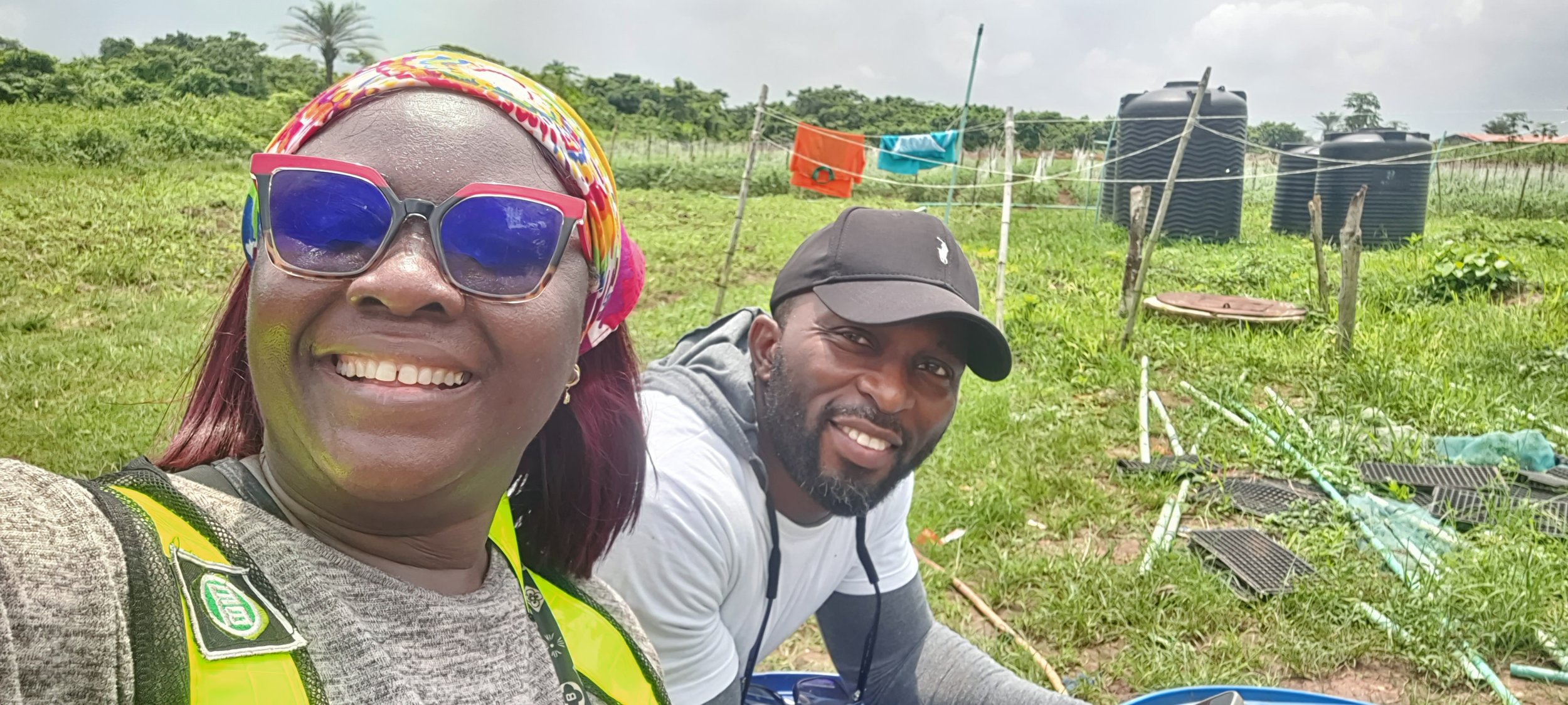
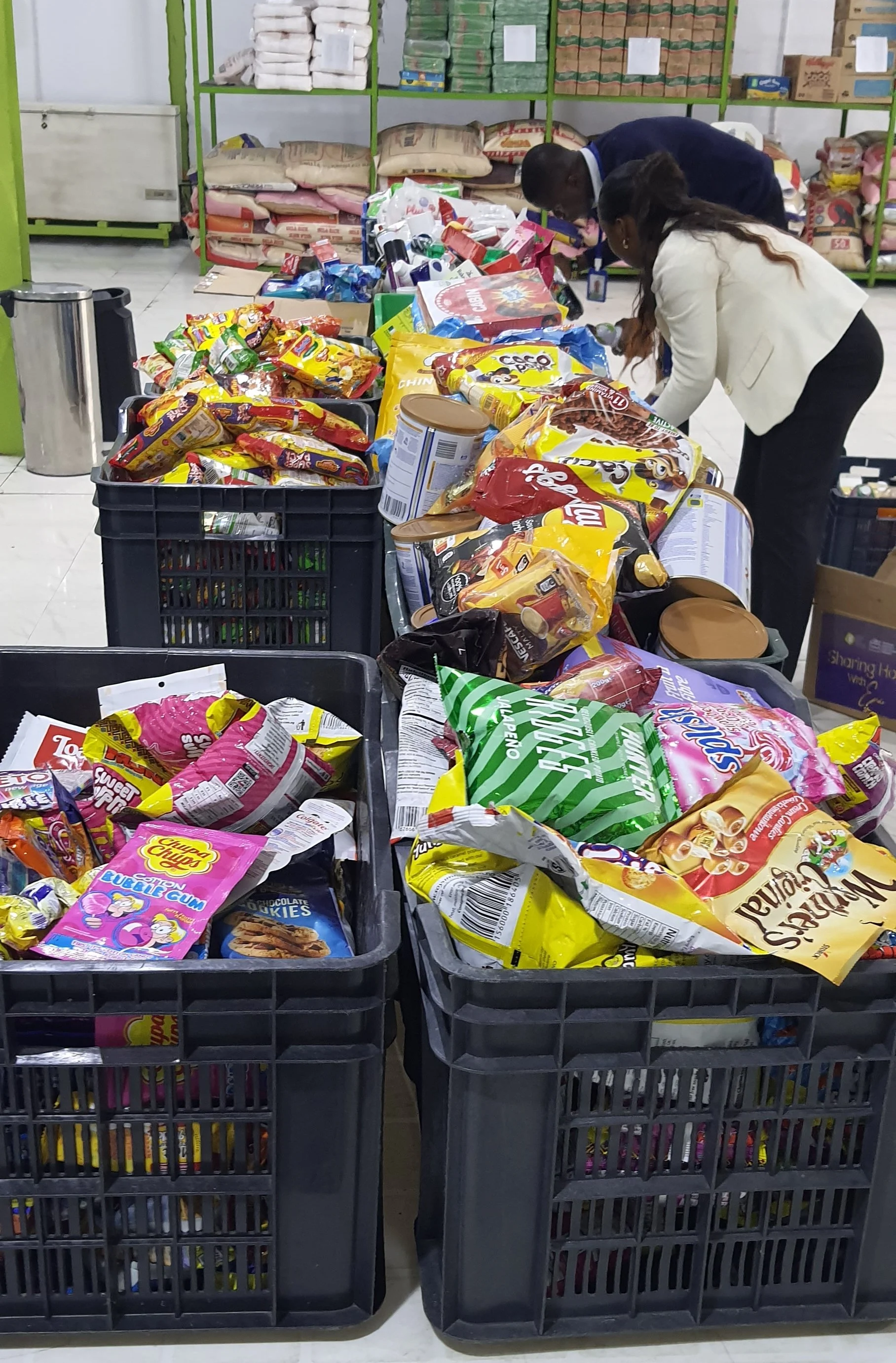
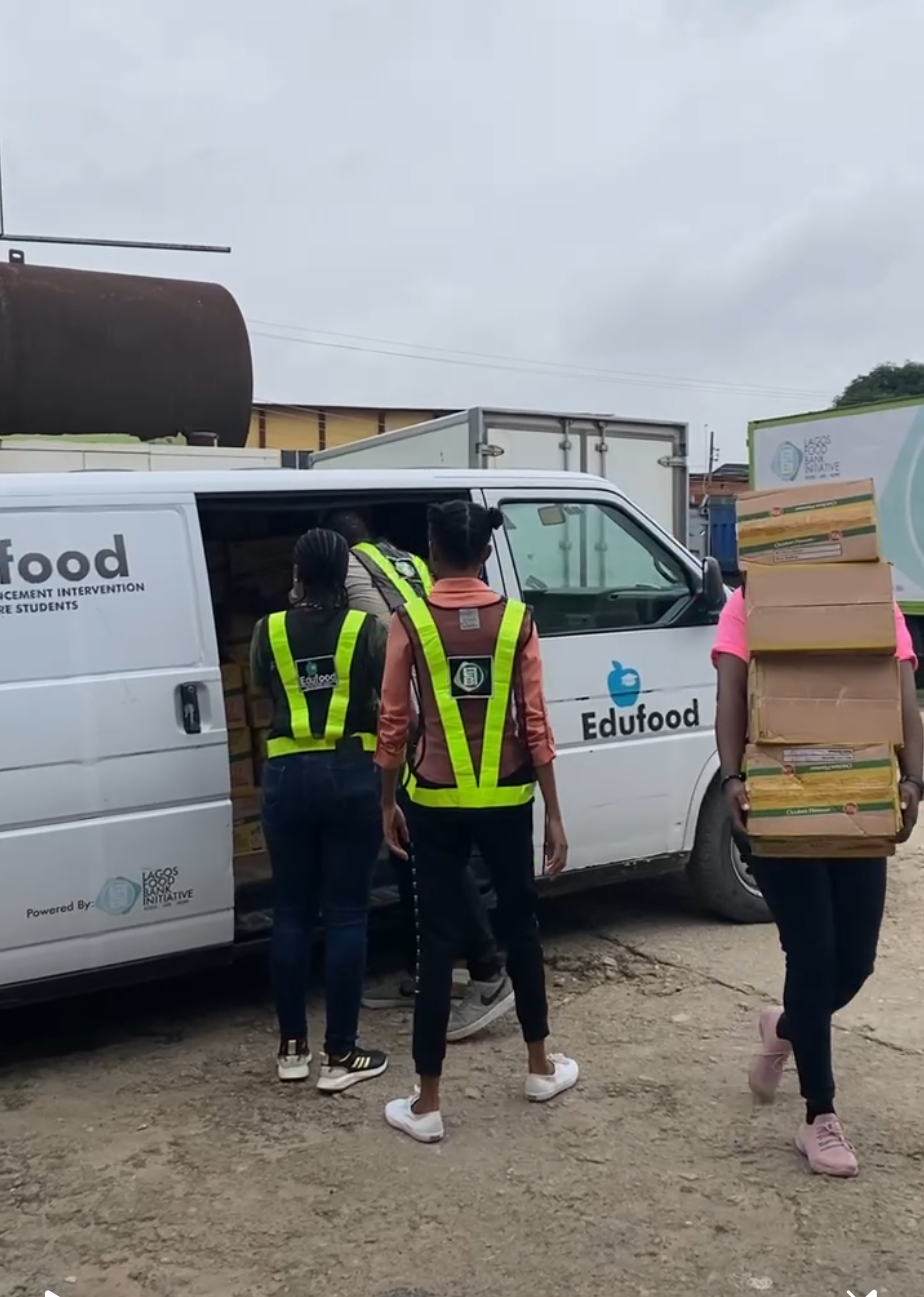
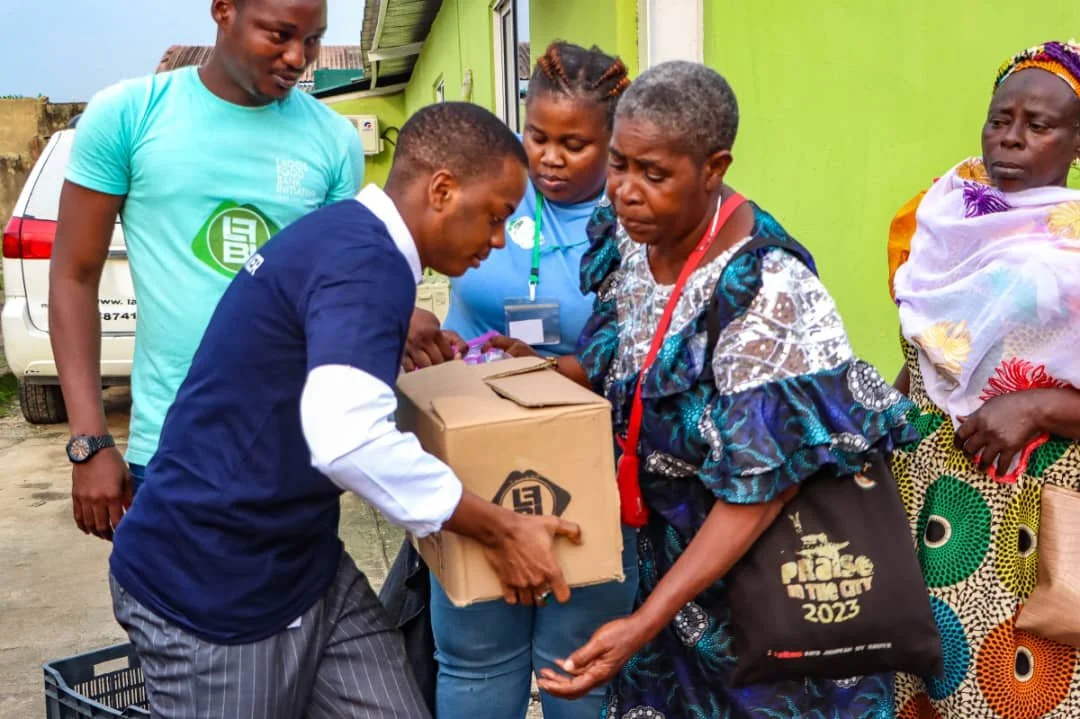
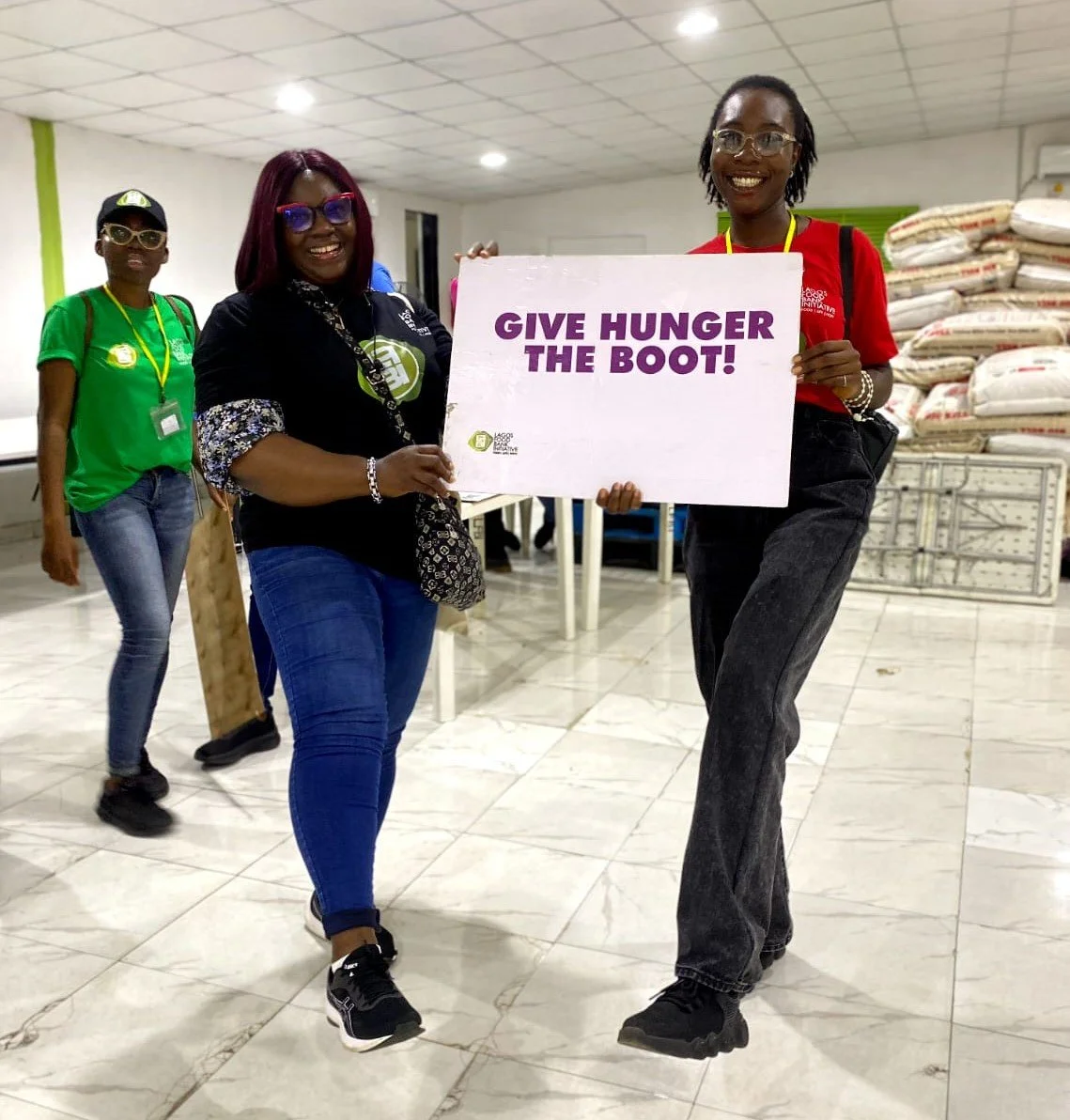
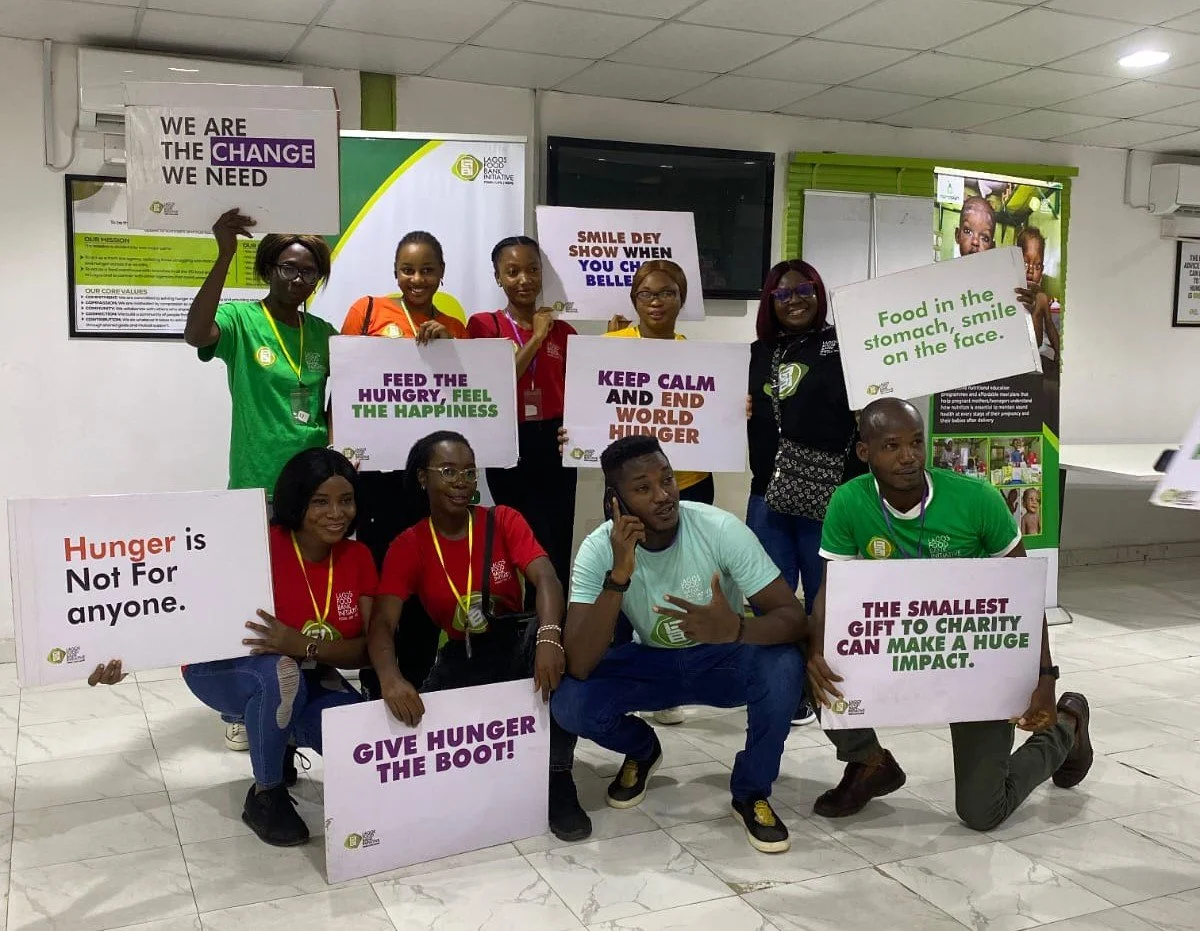
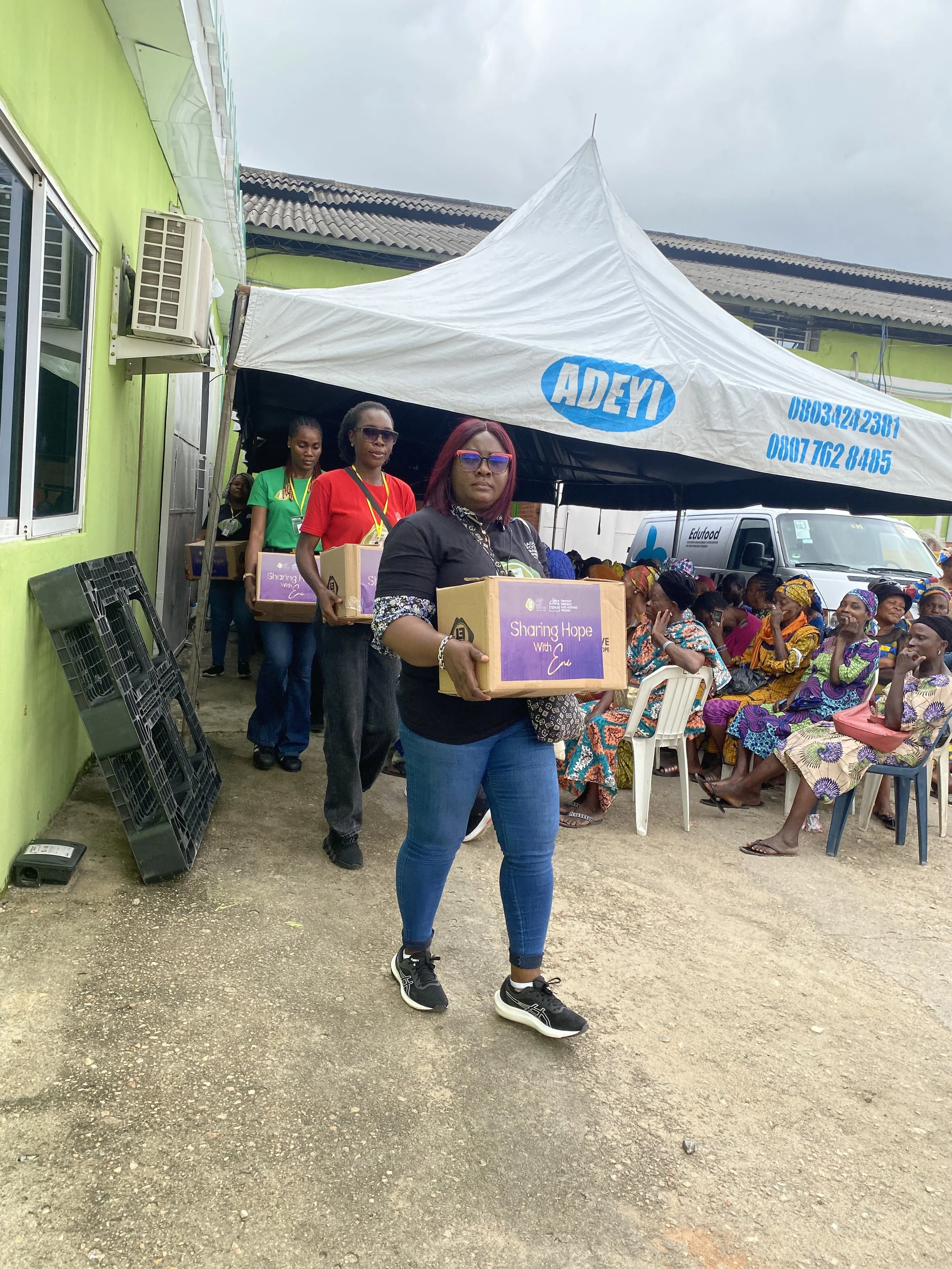
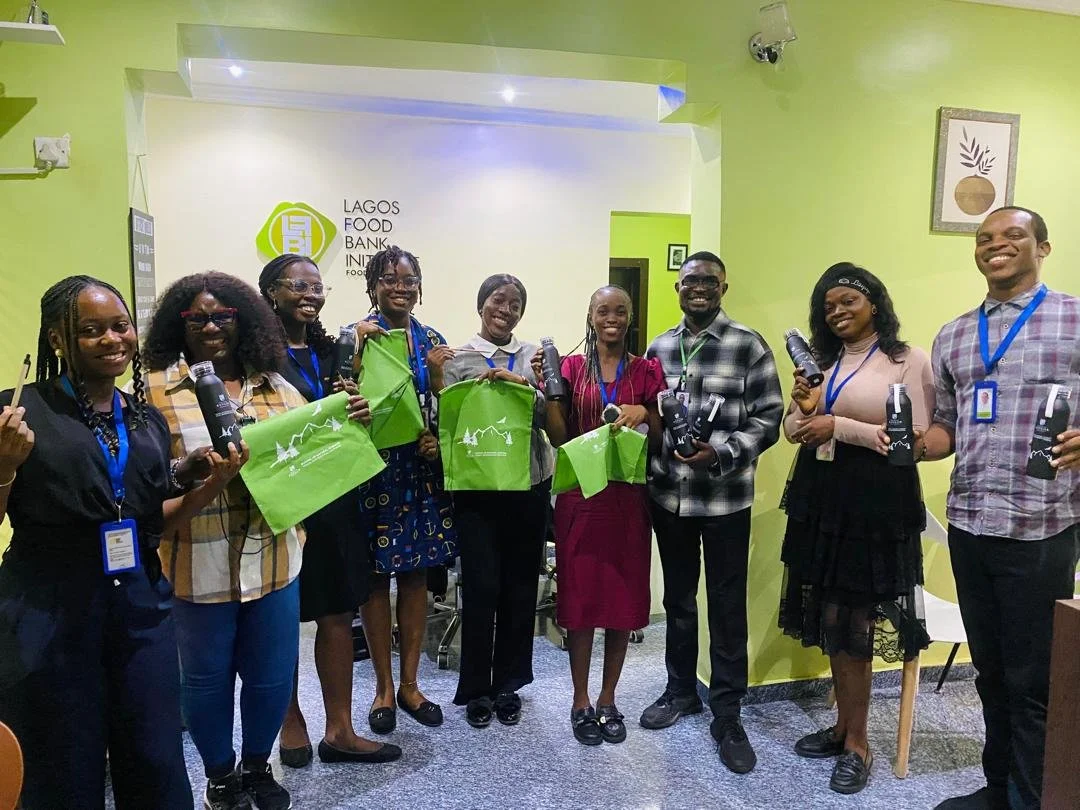
Fig 1: Selected fieldwork activities at the Lagos Food Bank Initiative (2024). Images show food recovery, sorting and distribution activities, community outreach programmes, volunteer engagement, and participant observation undertaken during doctoral fieldwork. The fieldwork provided me with first-hand insight into the organisational practices, partnerships, and operational processes that support food redistribution and food access initiatives in Lagos, Nigeria.
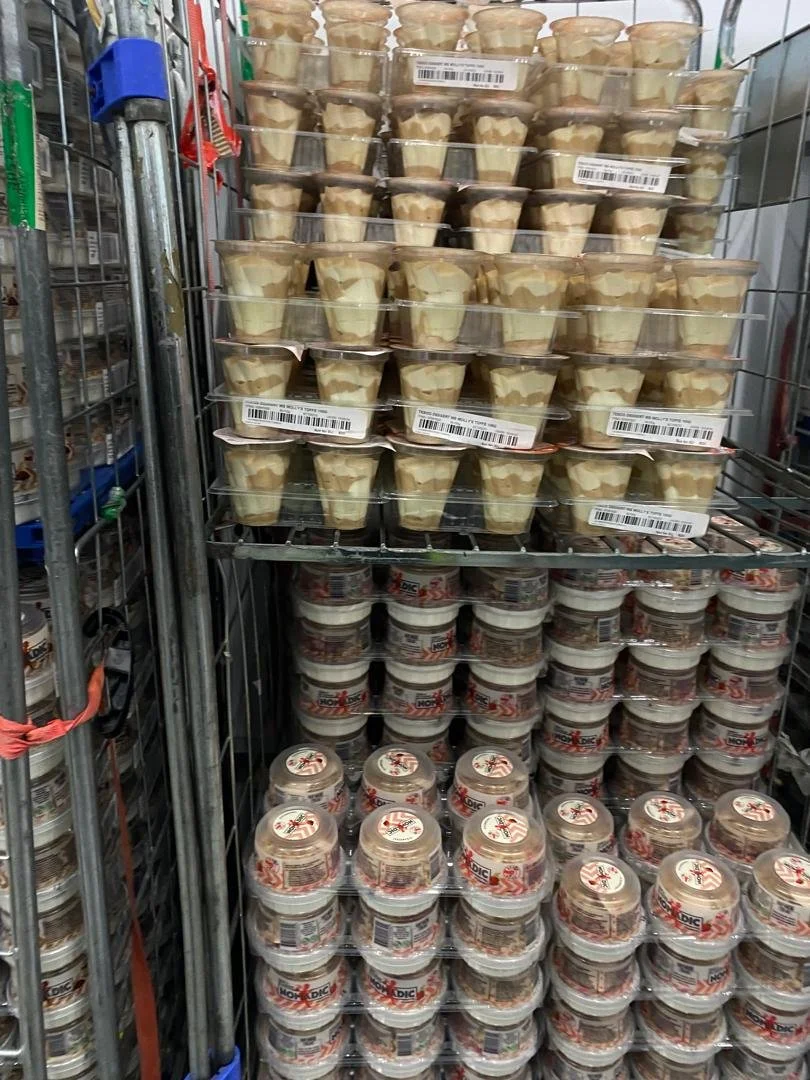
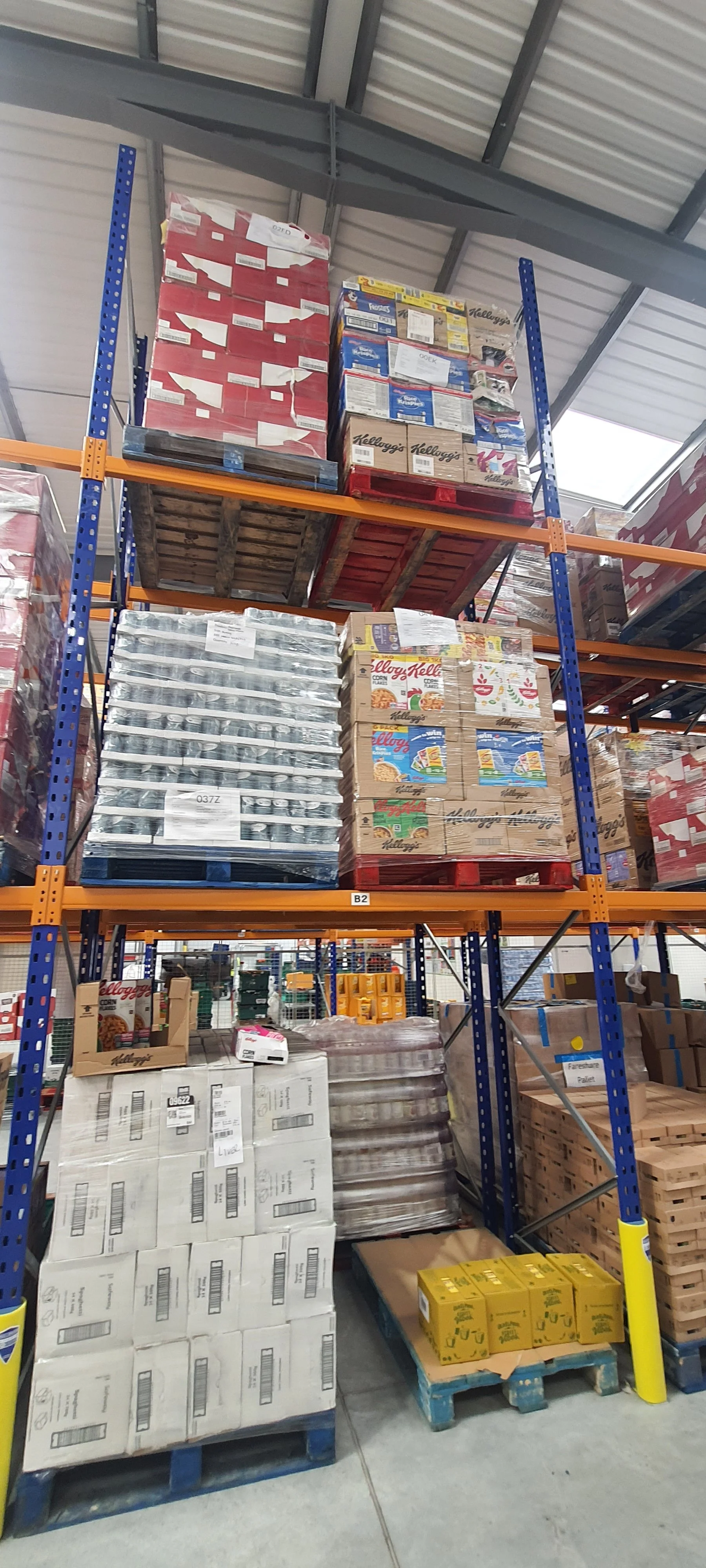
FareShare Merseyside Fieldwork
Participant Observation & Practitioner Engagement | Liverpool, UK | 2025
As part of my UK doctoral fieldwork, I spent time with FareShare Merseyside exploring the operational and logistical dimensions of surplus food redistribution. Activities included warehouse observation and participation, engagement with staff and volunteers, and accompanying redistribution deliveries from the Liverpool depot to community organisations in Chester and Wrexham. This fieldwork provided first-hand insight into how surplus food is sourced, sorted, stored, and redistributed through regional networks. The experience deepened my understanding of the infrastructure, partnerships, and governance arrangements underpinning large-scale food redistribution systems in the UK.
Audience: Practitioners, volunteers, community food organisations & researchers
Contribution: Volunteer researcher and participant observer.
Selected Fieldwork Activities (FARESHARE MERSEYSIDE)
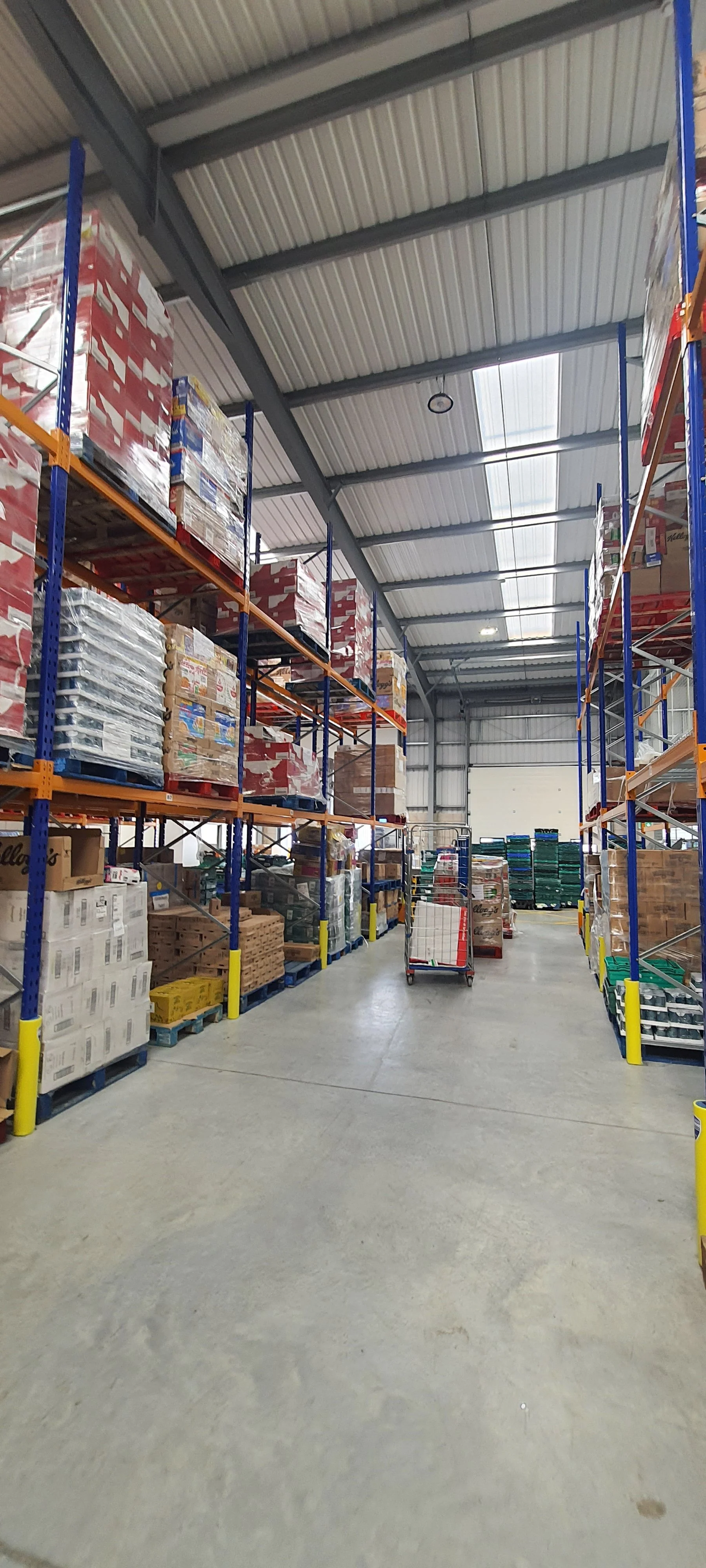
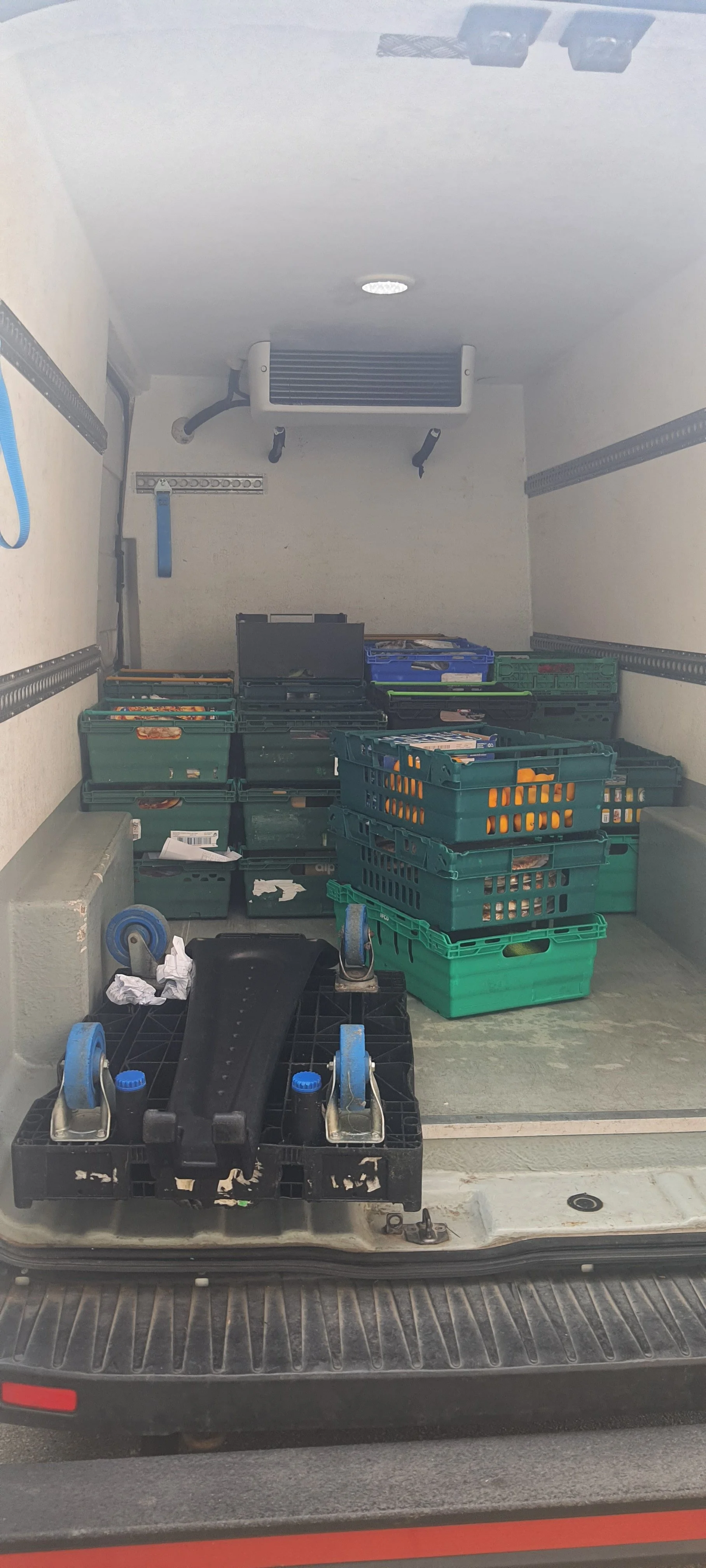
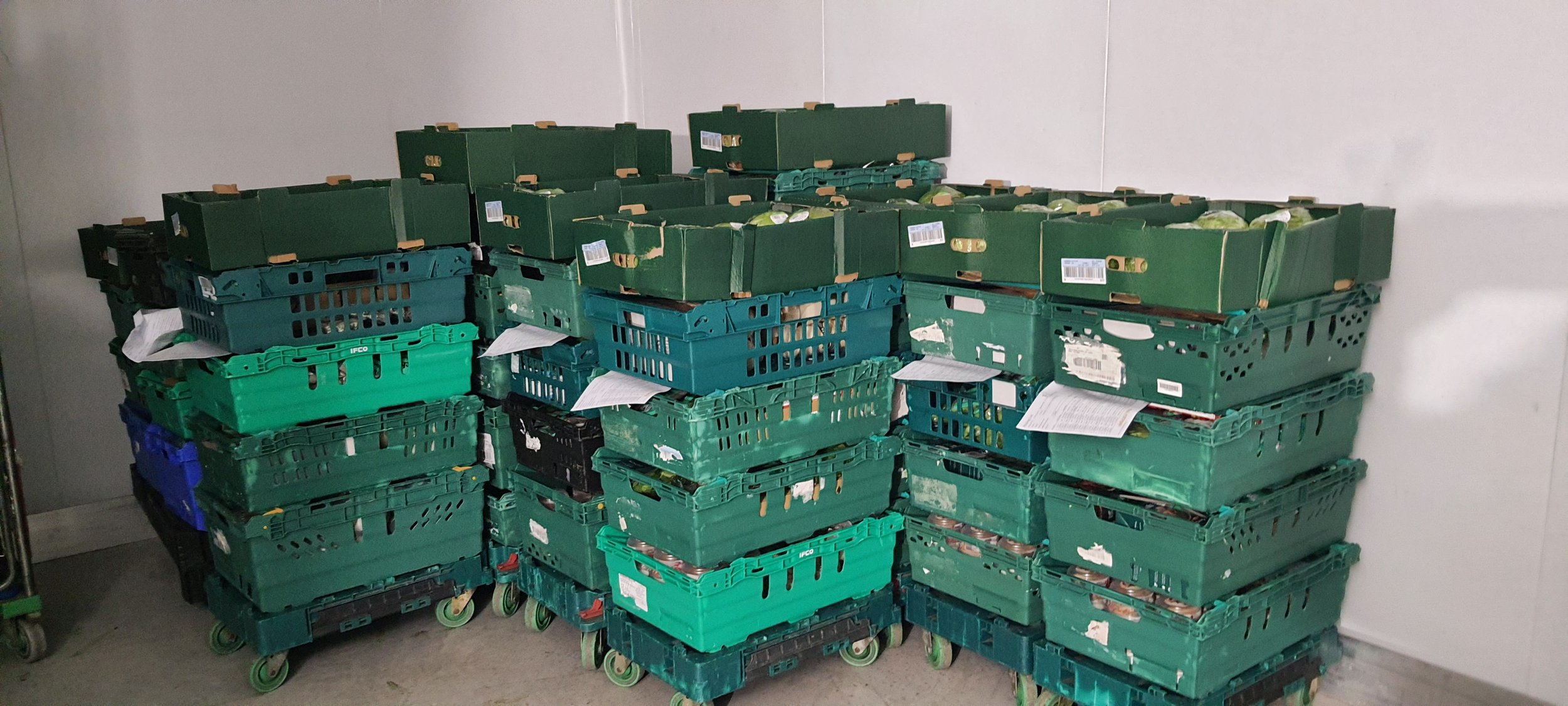
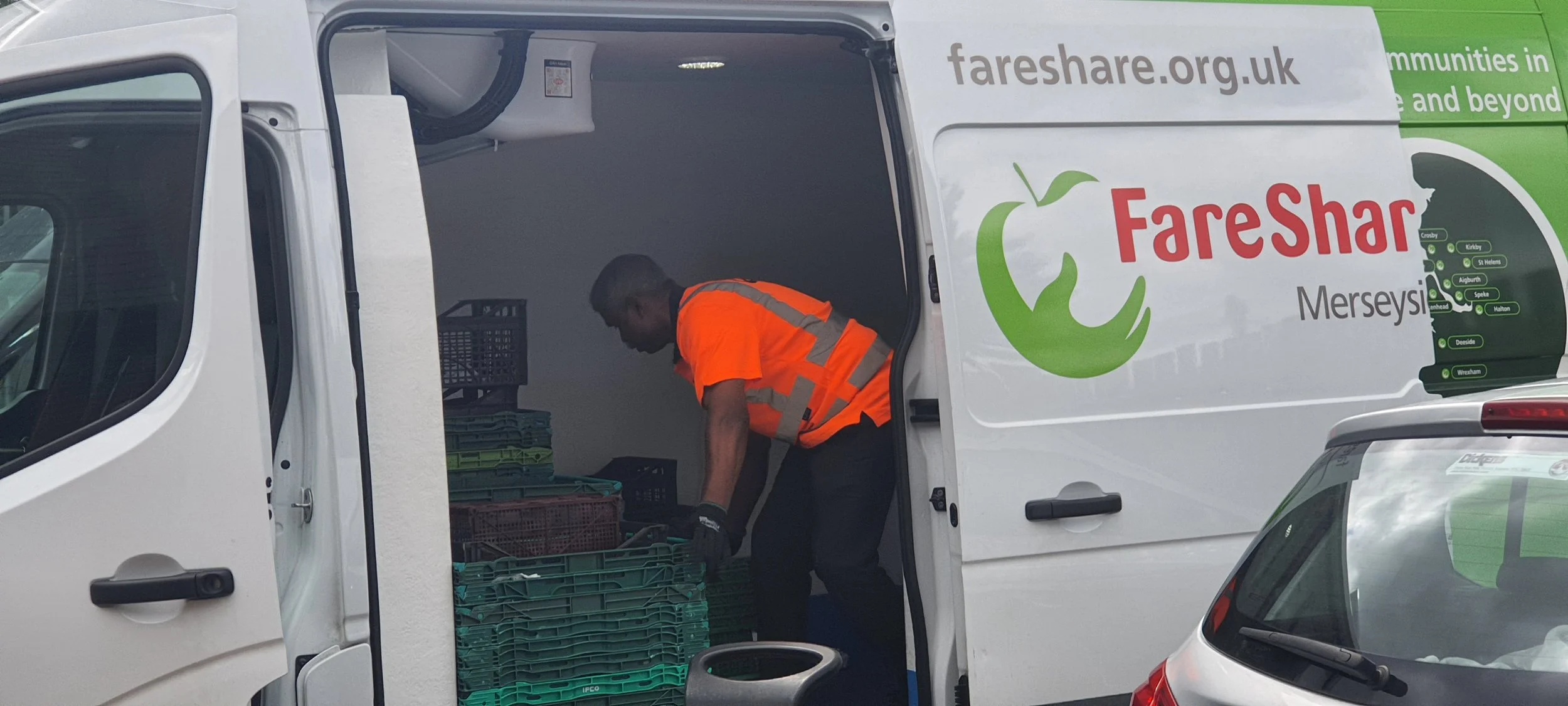
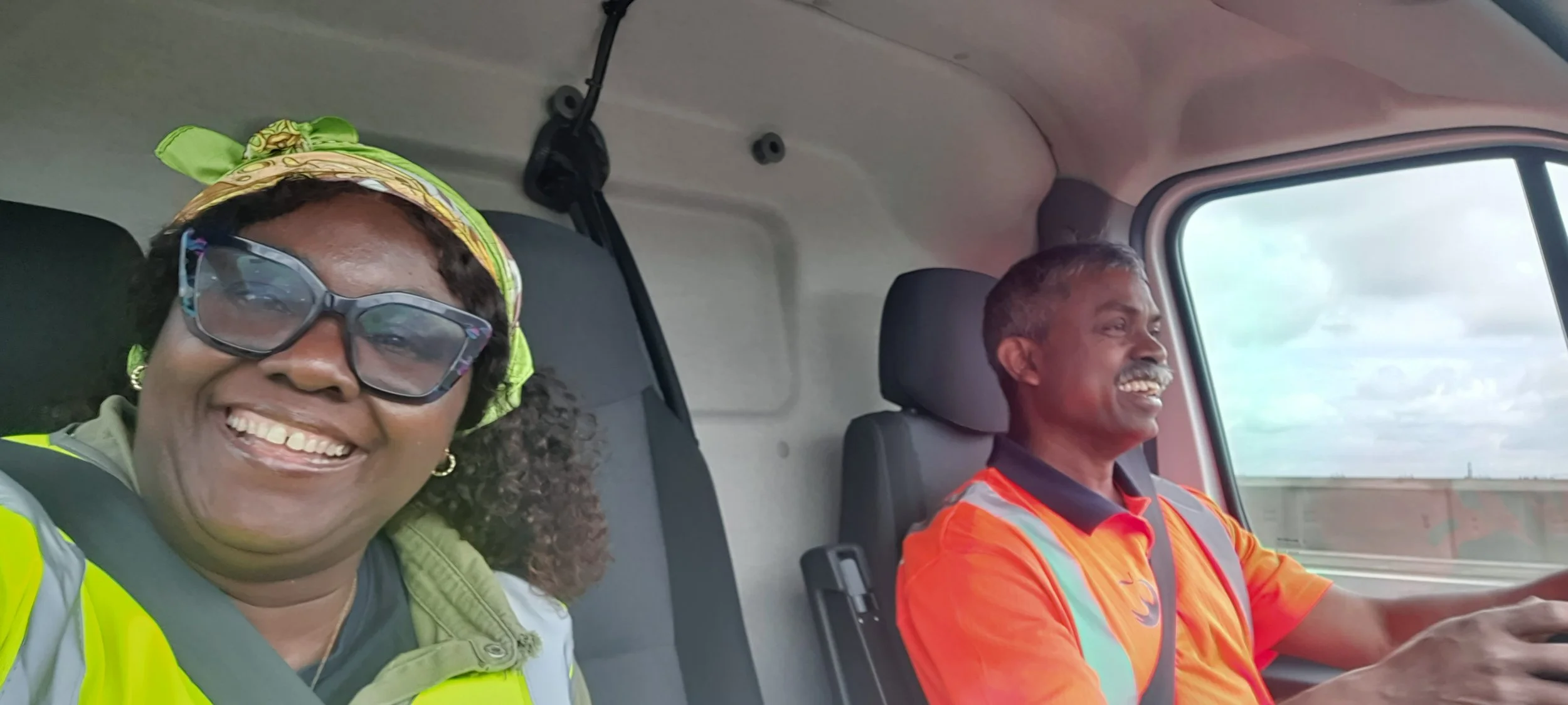
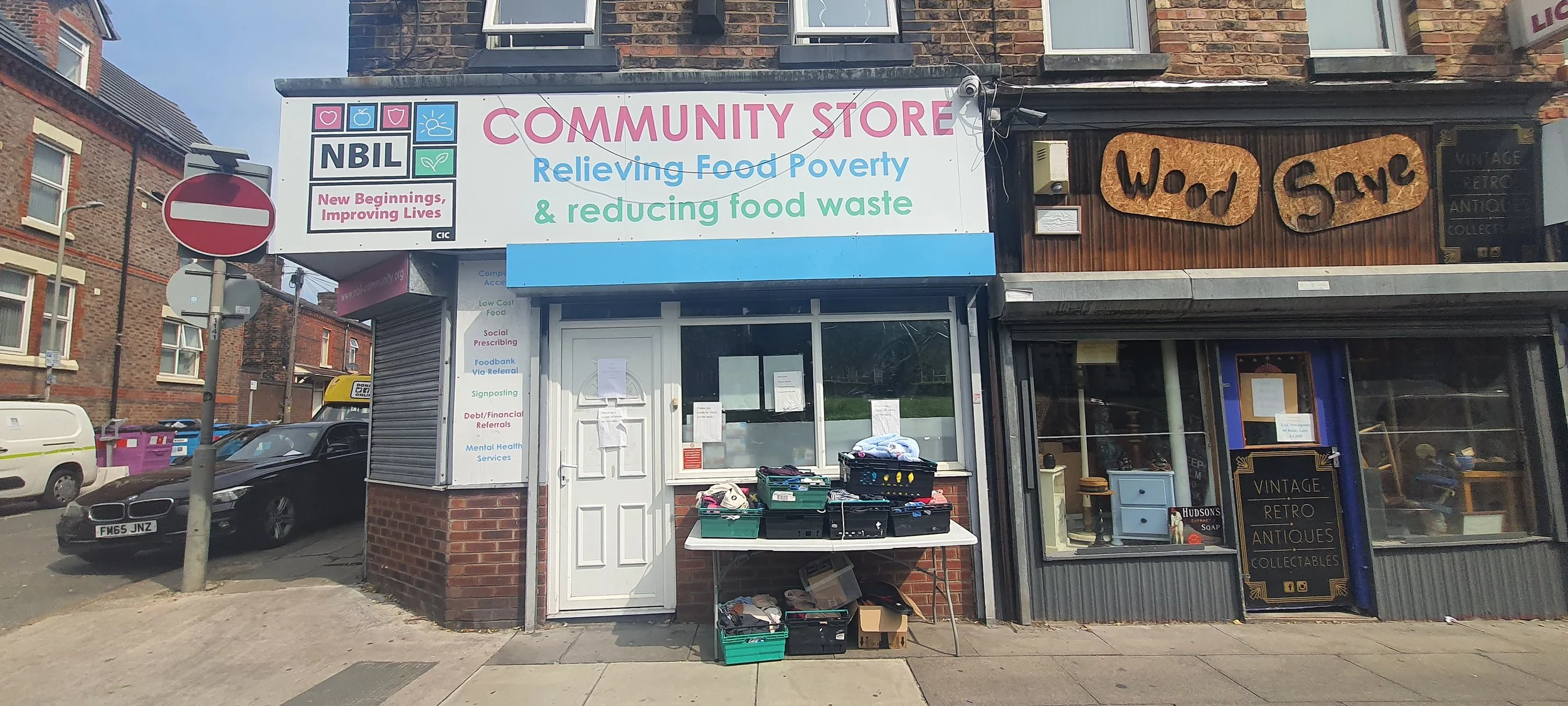
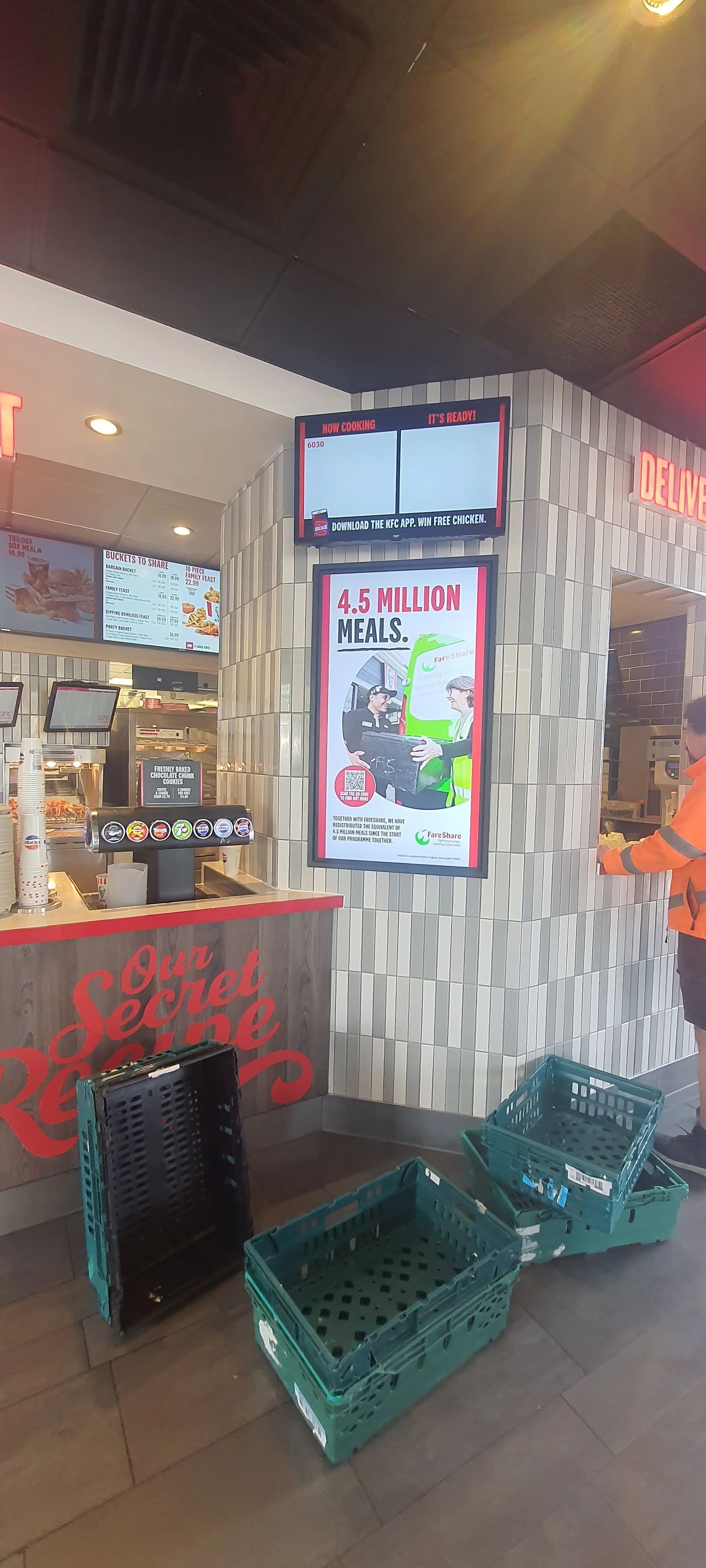
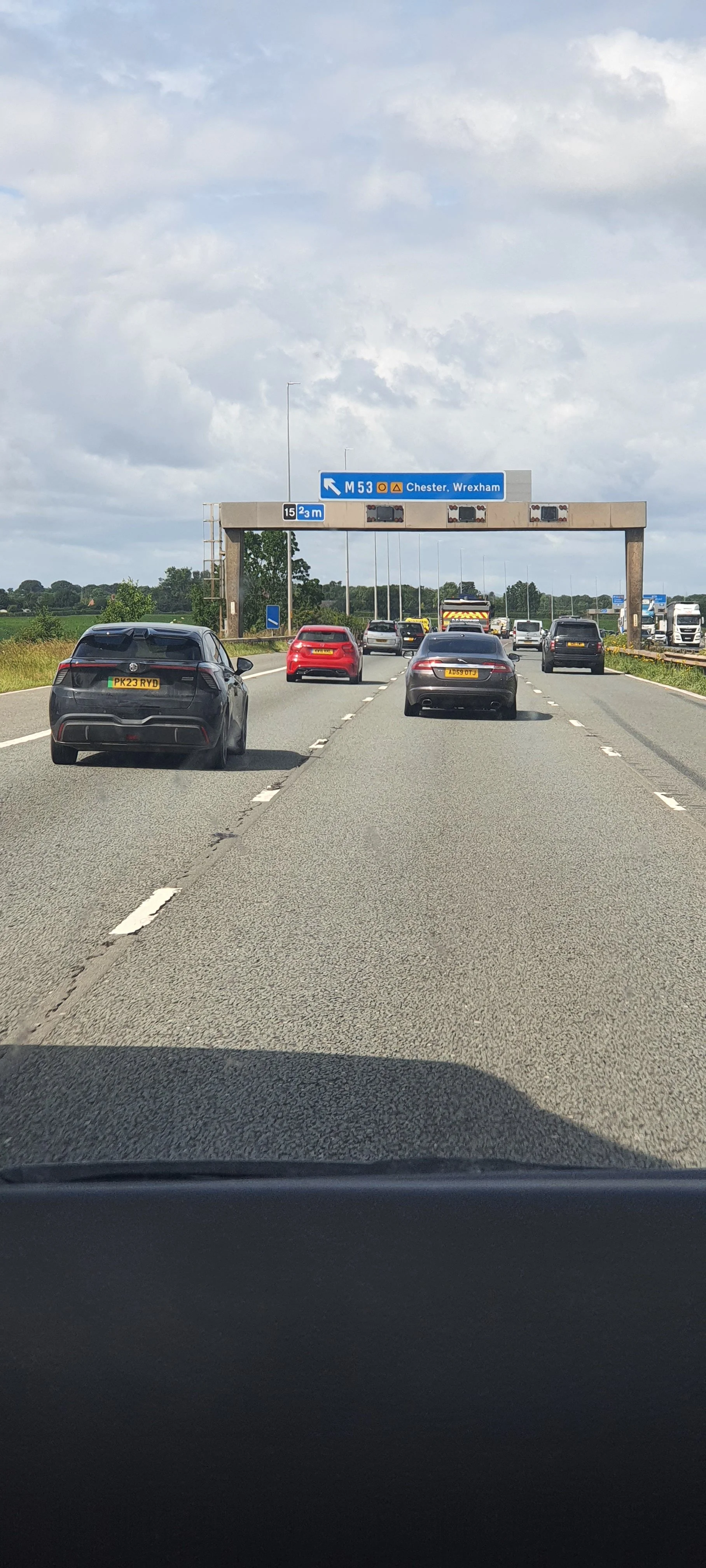
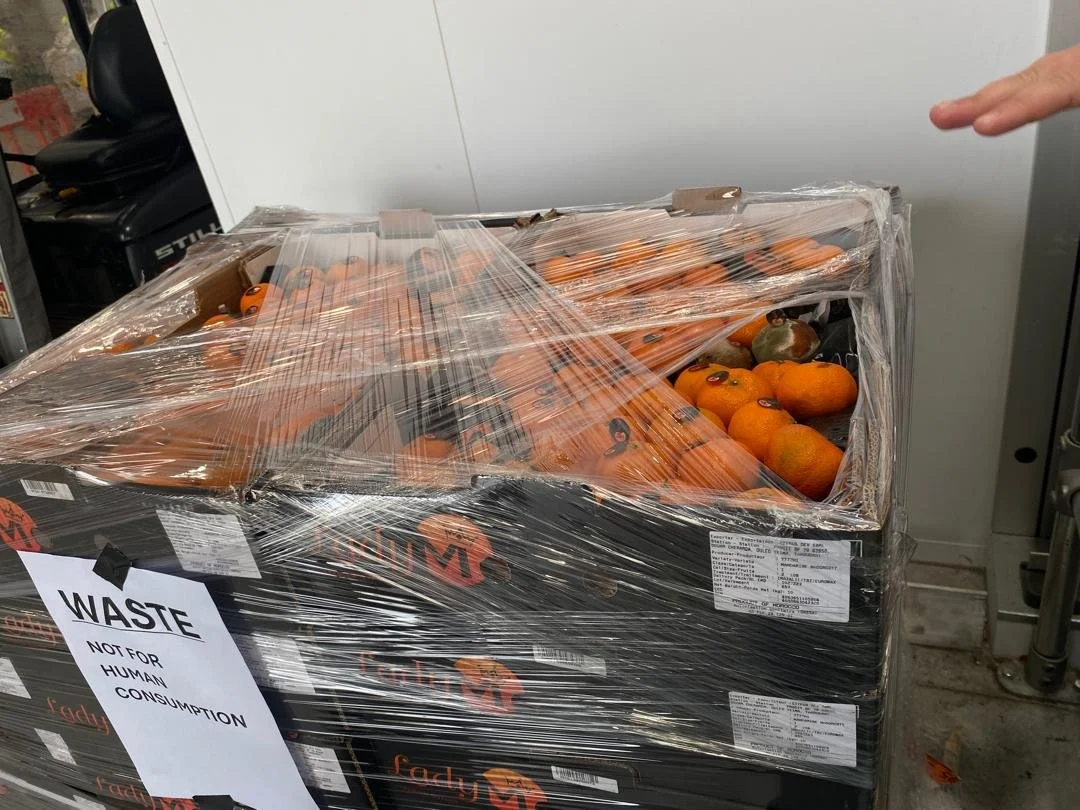
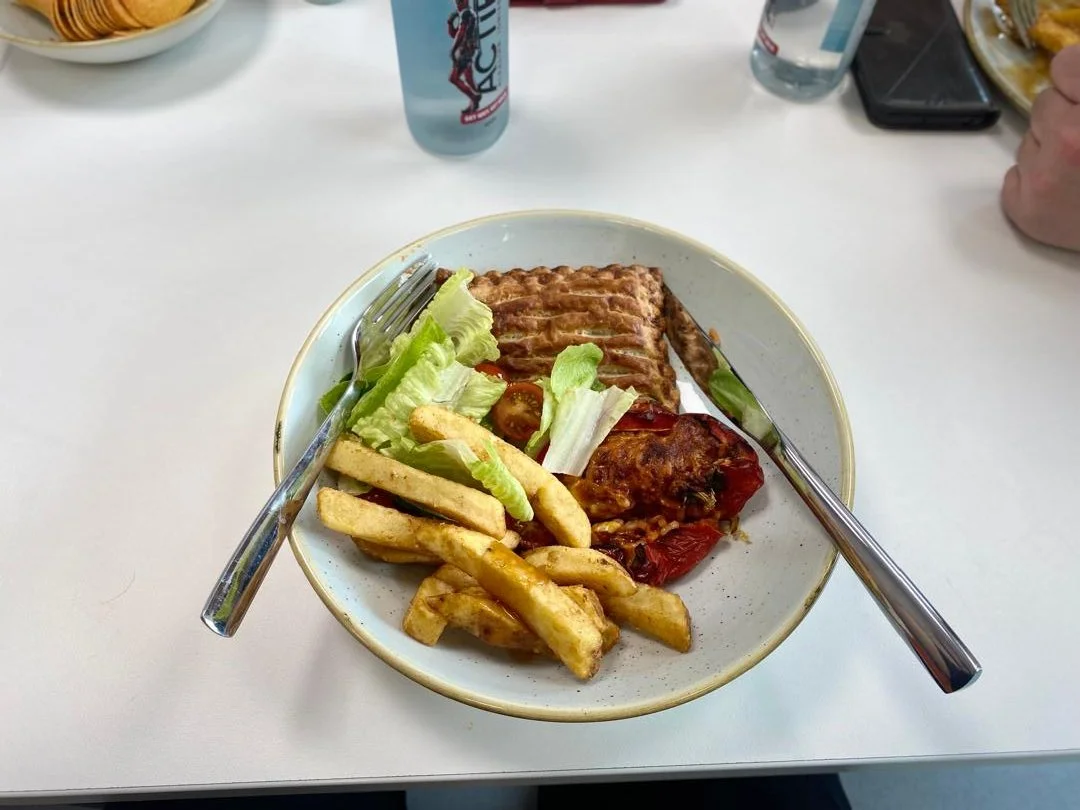
Fig. 2: Selected fieldwork activities at FareShare Merseyside (2025). Following the journey of surplus food through the FareShare Merseyside redistribution network. Fieldwork activities included warehouse observations, accompanying deliveries, engaging with practitioners and volunteers, and observing how surplus food reaches community organisations across North West England and North Wales.
Bwyd Da Môn Fieldwork
Participant Observation & Practitioner Engagement | Anglesey, Wales, UK | 2025
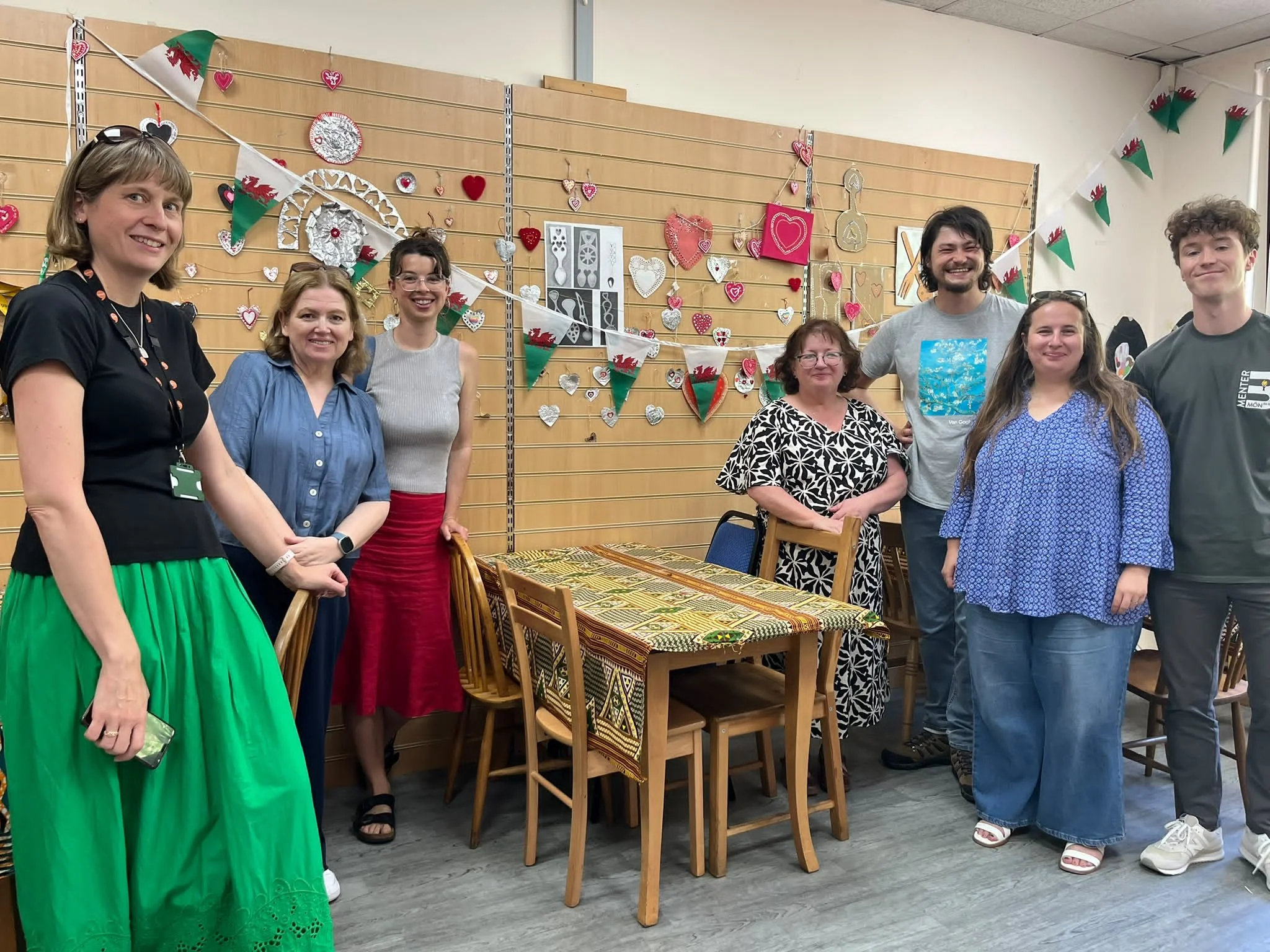
Through a three-month volunteering placement with Bwyd Da Môn, I gained first-hand experience of community-based food redistribution and food access initiatives in North Wales. Activities included food sorting, stock management, supporting daily operations, and engaging with staff, volunteers, and service users. The placement provided valuable insight into how surplus food is transformed into an accessible community resource while balancing operational realities, dignity, and local needs. It also highlighted the importance of relationships, trust, and community-centred approaches within food redistribution systems.
Audience: Practitioners, volunteers, community food organisations & researchers
Contribution: Volunteer researcher and participant observer.
Selected Fieldwork Activities (Bwyd Da Môn)
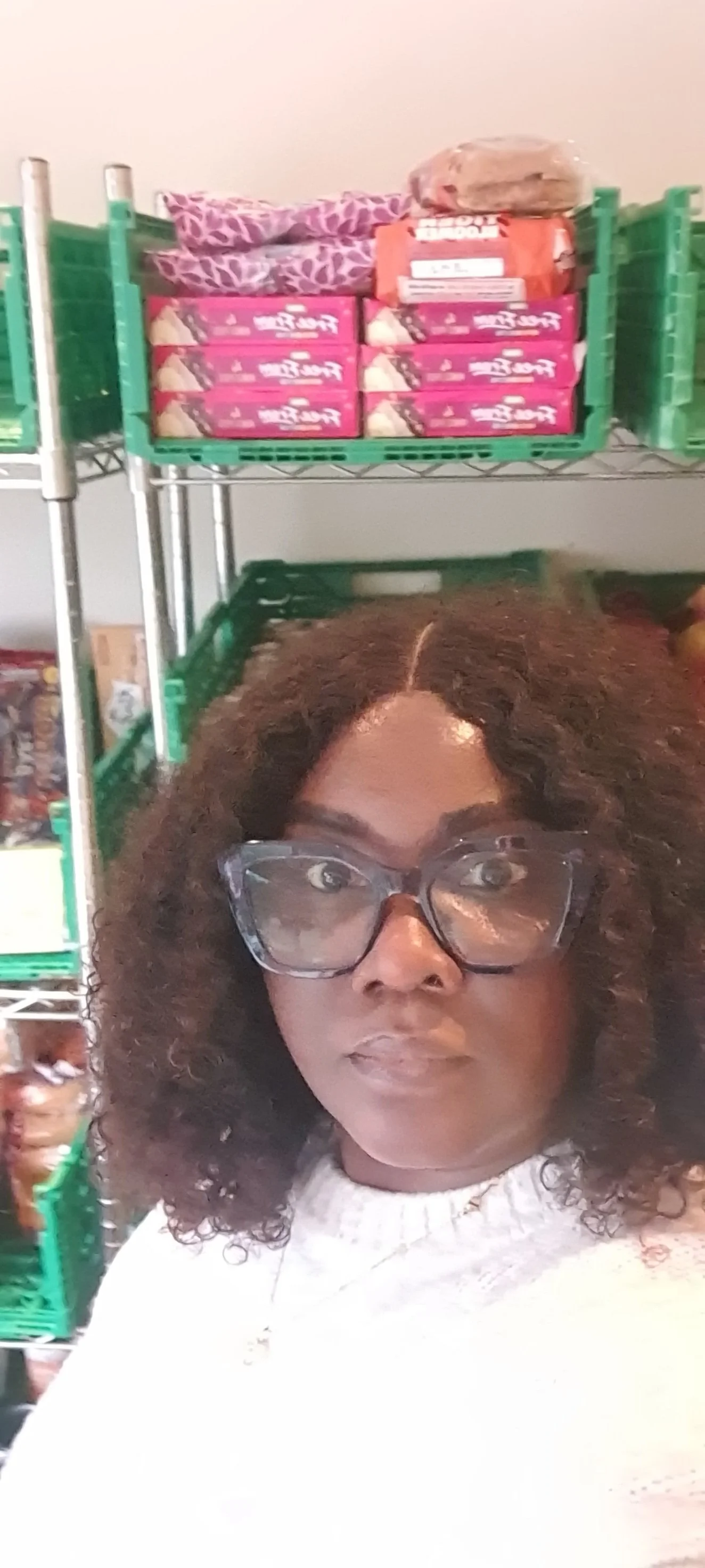
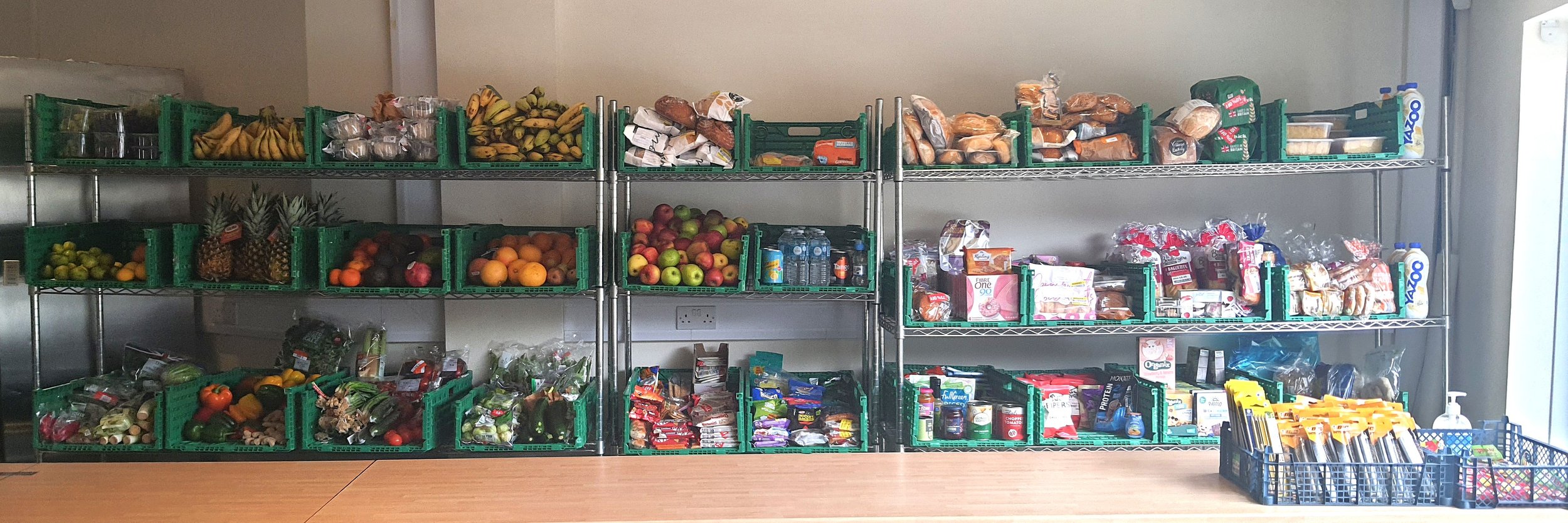
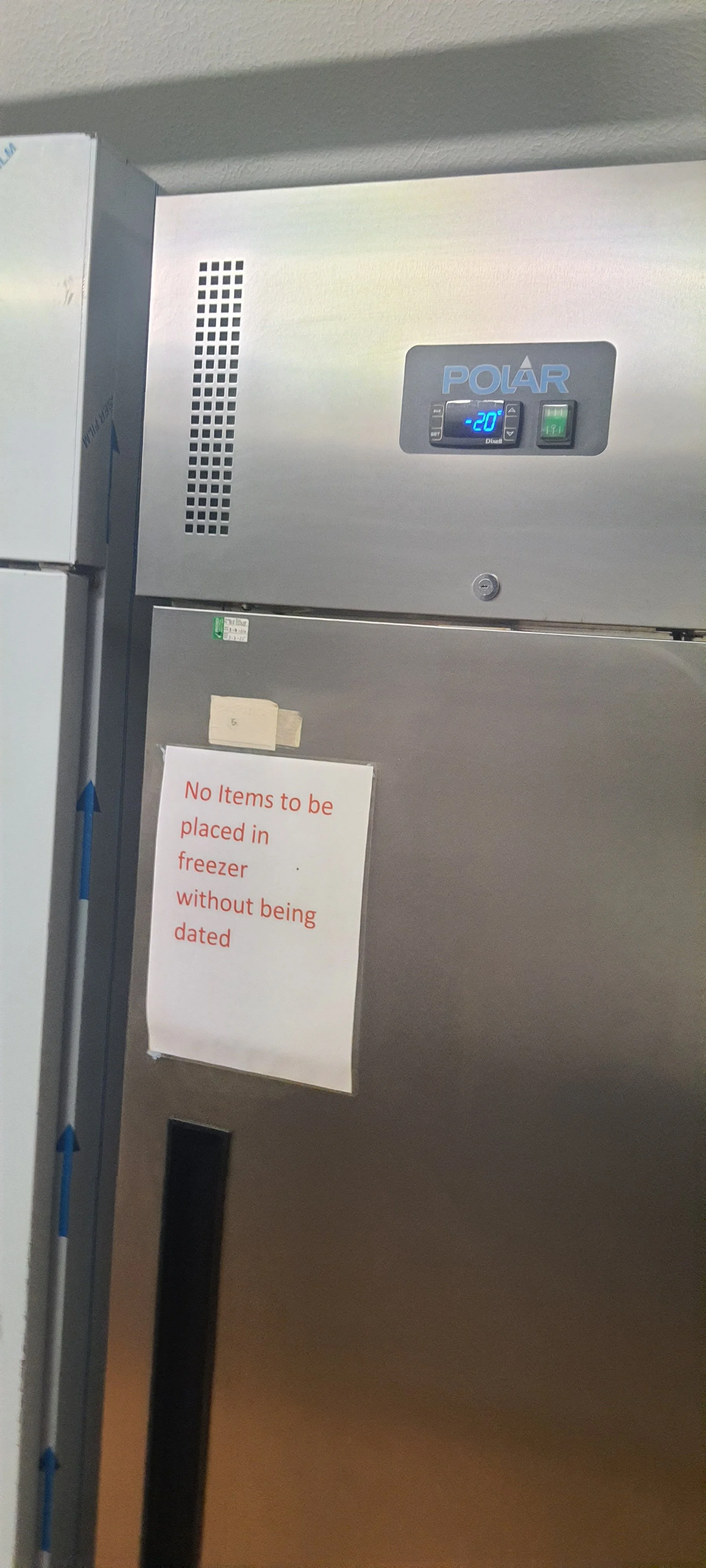
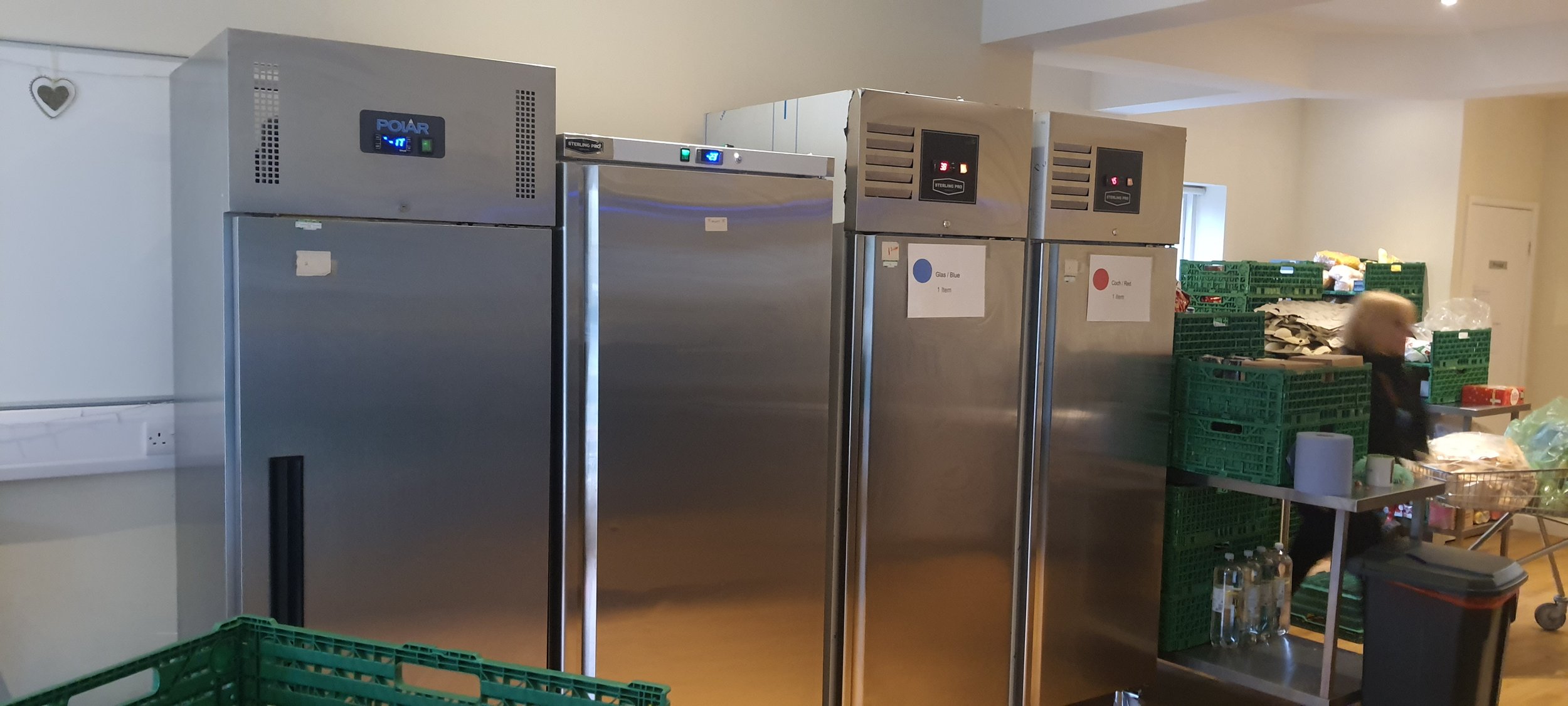
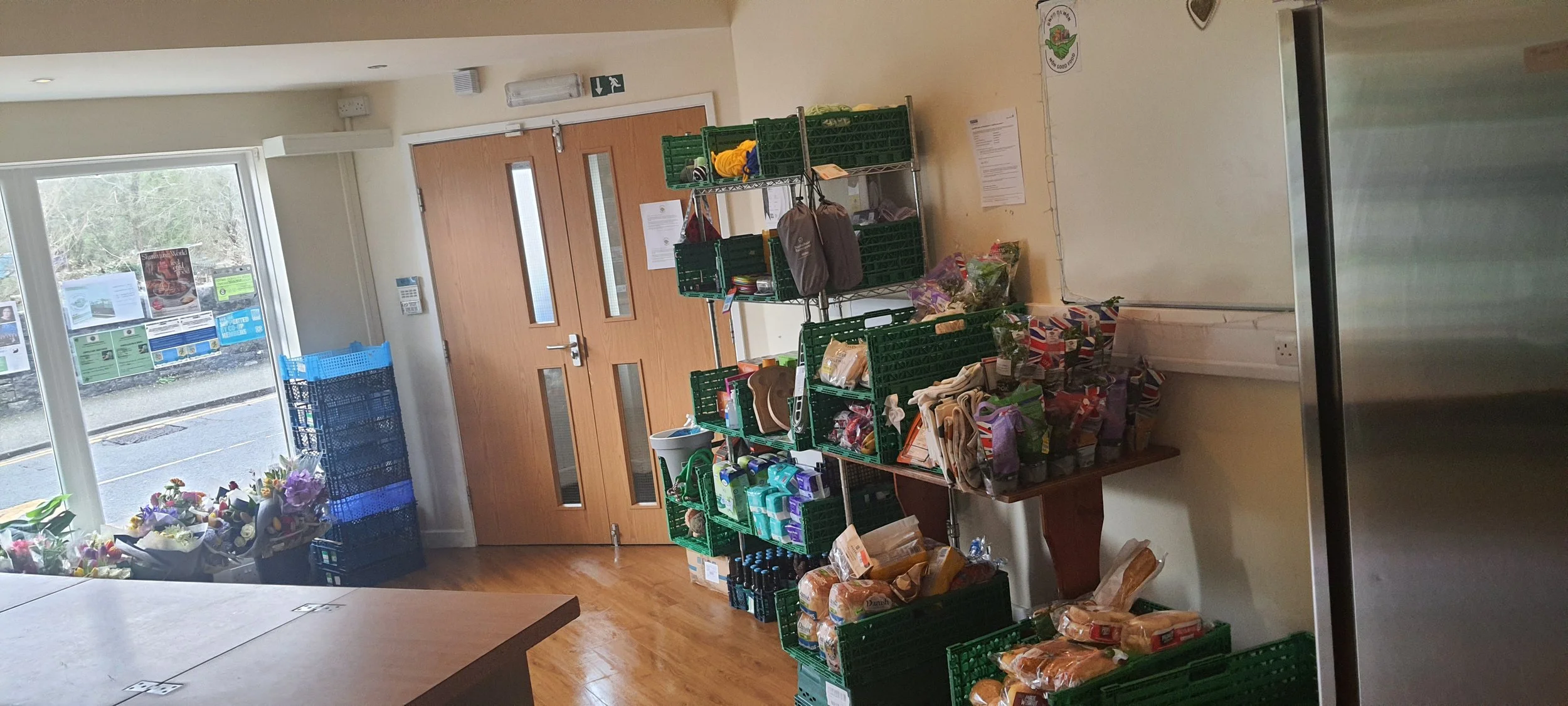
Fig. 3: Selected fieldwork activities at Bwyd Da Môn (2025). Images show food storage facilities, community food provision spaces, and participant observation activities carried out during a three-month volunteering placement. The fieldwork provided me with insight into the everyday practices, relationships, and operational processes that support community-based food redistribution in North Wales.
Porthi Dre Fieldwork
Participant Observation & Practitioner Engagement | Caernarfon, Wales, UK | 2026
Volunteering with Porthi Dre gave me the opportunity to explore how food redistribution operates within a locally embedded, community-focused organisation. Through participation in food access activities and engagement with staff, volunteers, and community members, I observed how surplus food redistribution intersects with broader issues of wellbeing, inclusion, and community resilience. The experience deepened my understanding of the social dimensions of food redistribution and the role that local organisations play in supporting food access while fostering strong community connections.
Audience: Practitioners, volunteers, community food organisations & researchers
Contribution: Volunteer researcher and participant observer.
Selected Fieldwork Activities (Porthi Dre)
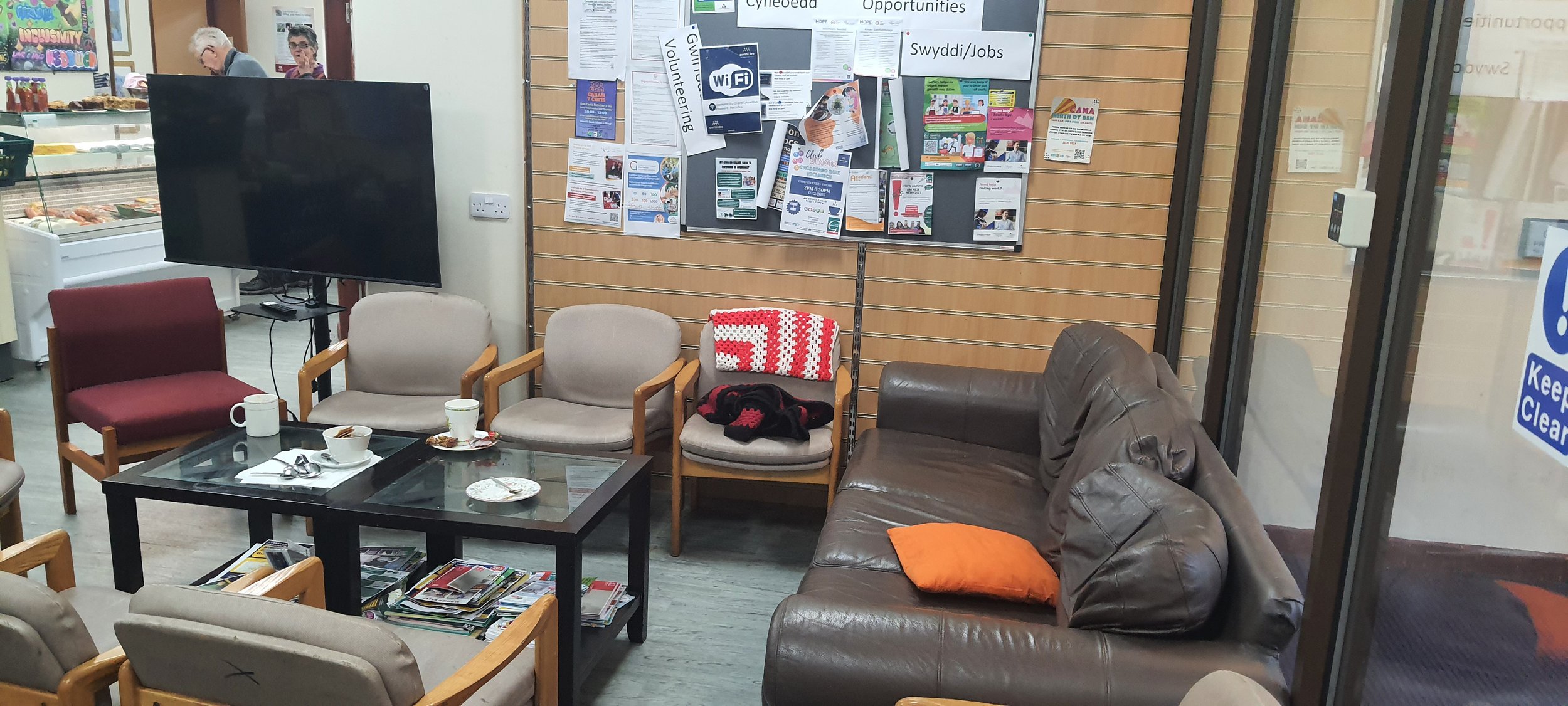
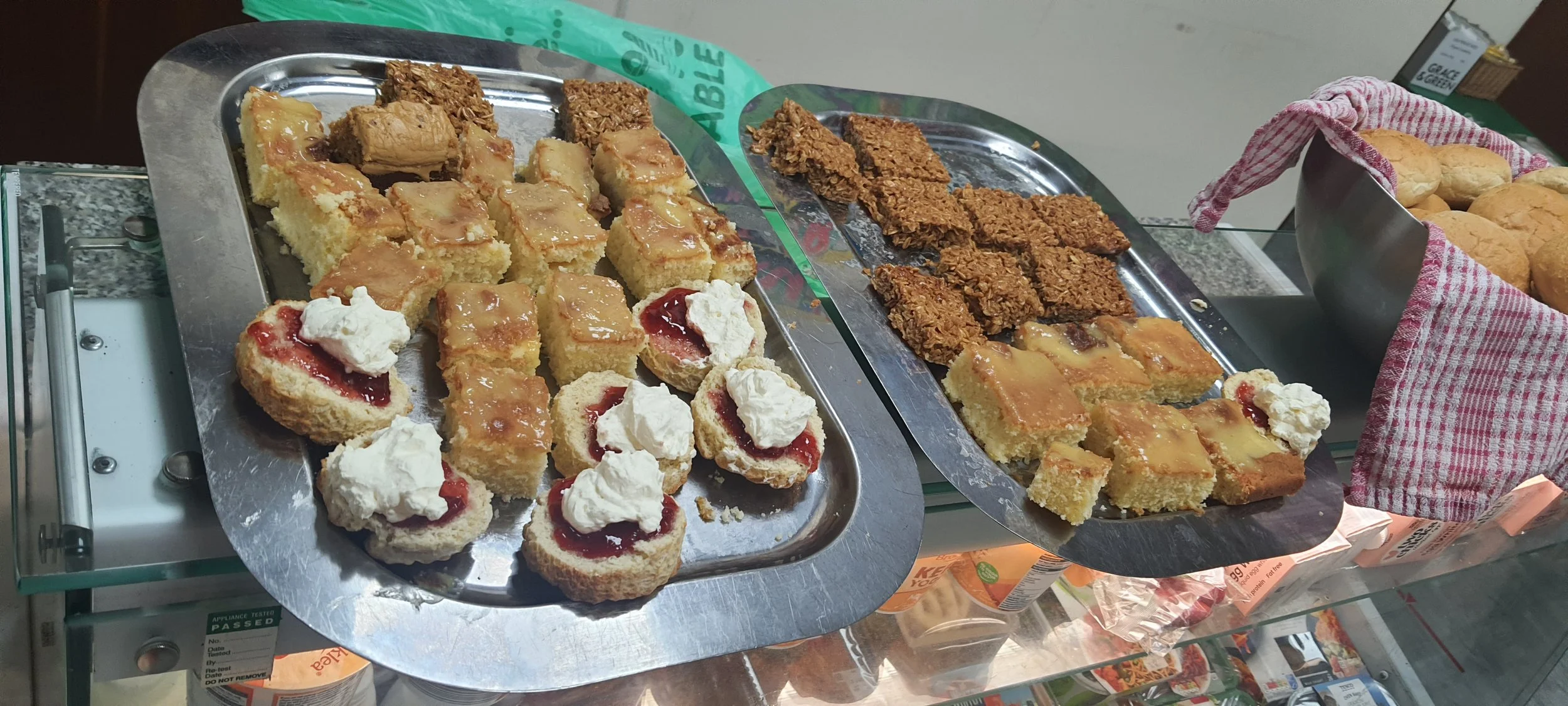
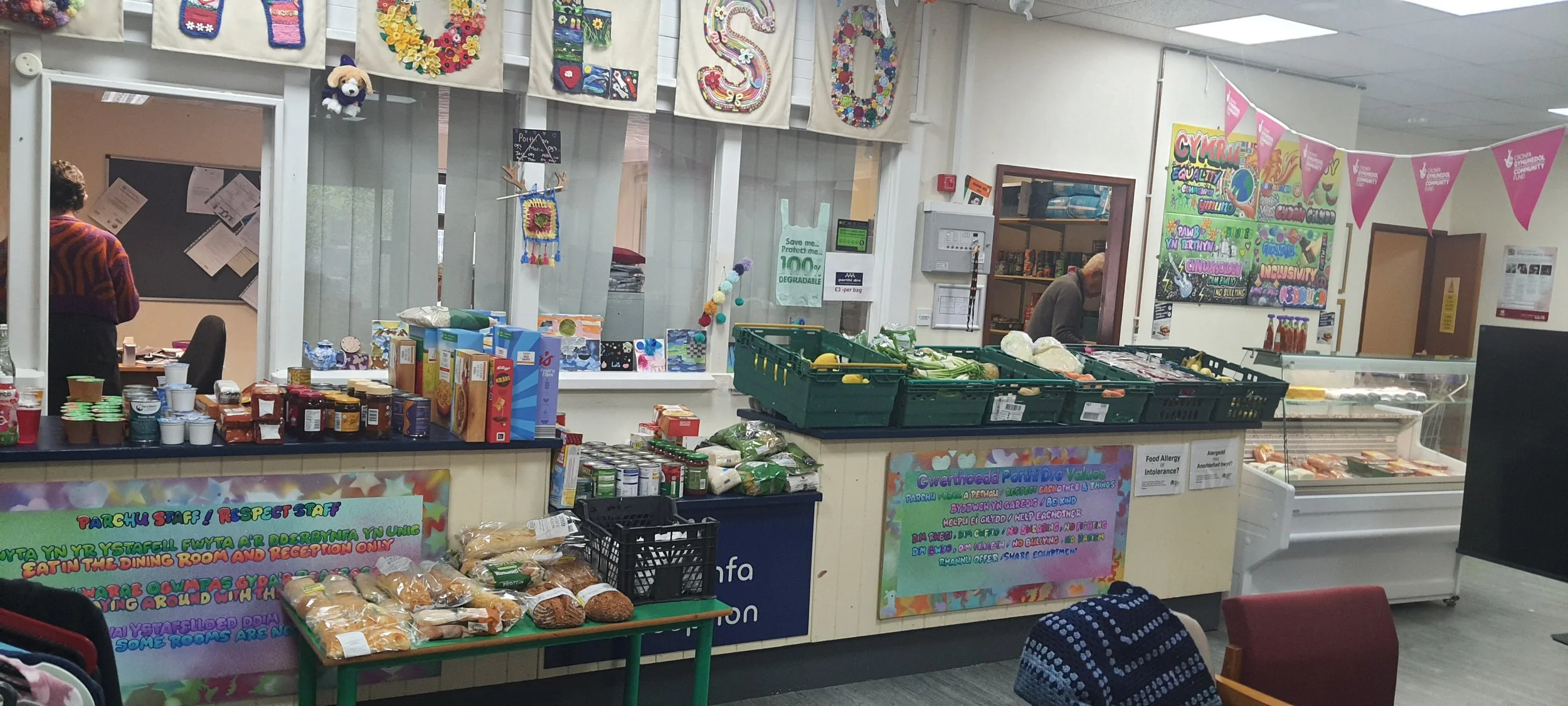
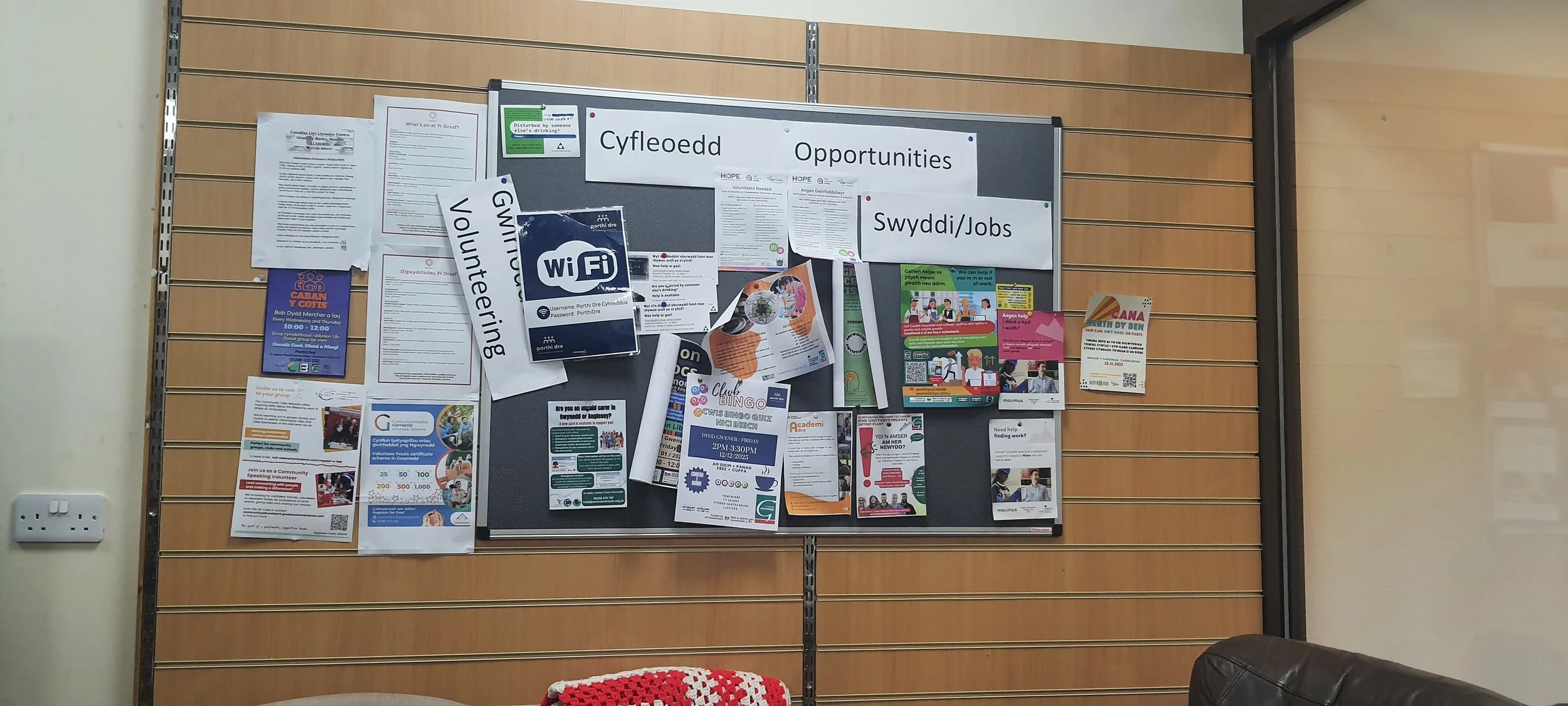
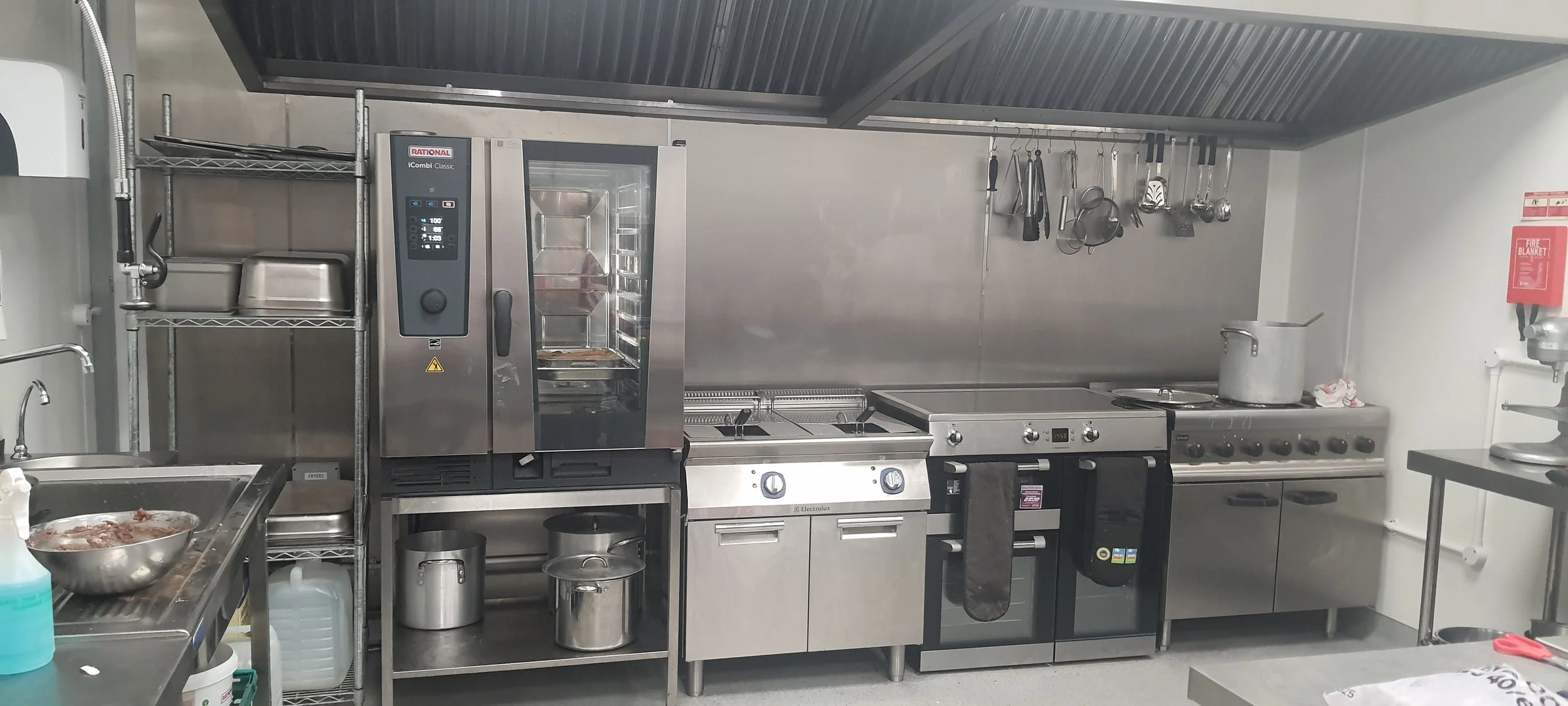
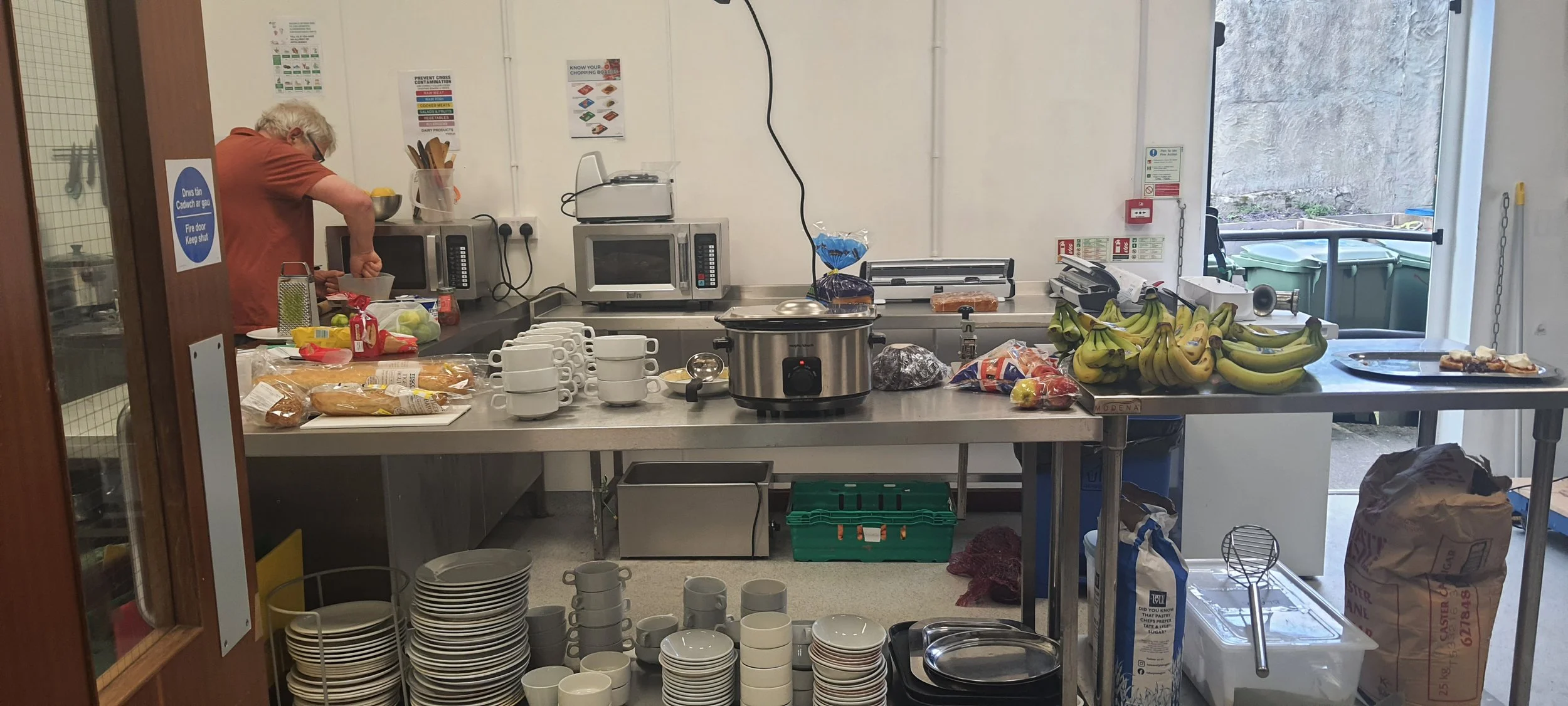
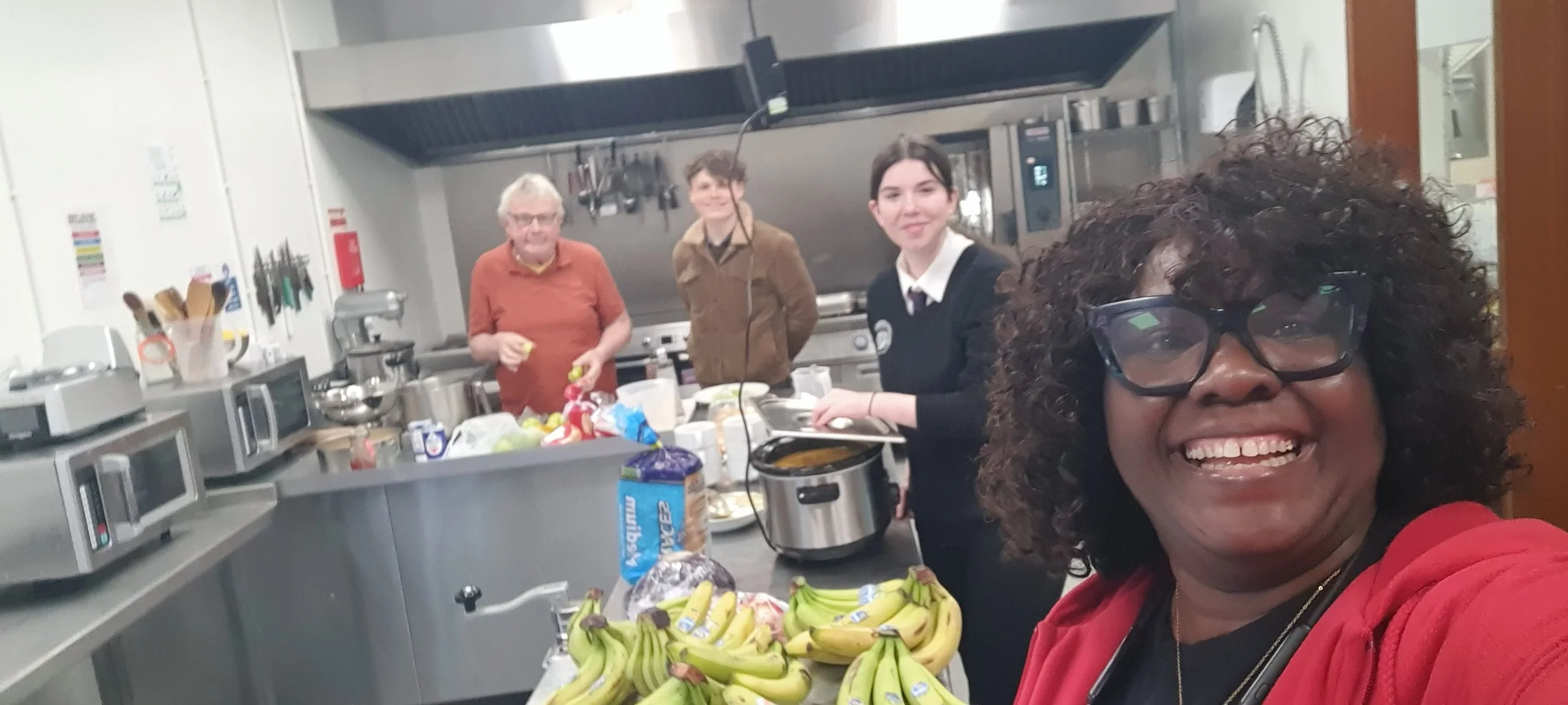
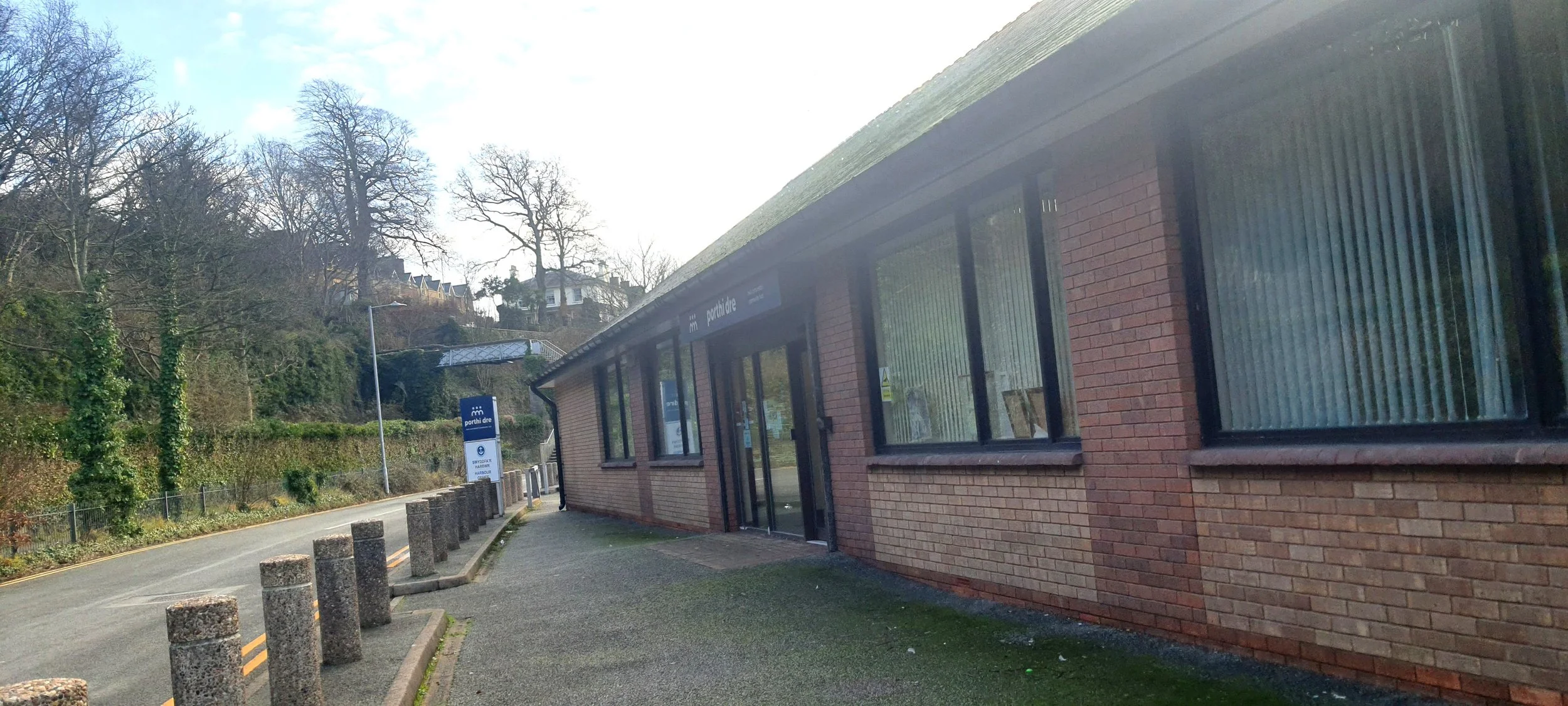
Fig. 4: Selected fieldwork activities at Porthi Dre (2026). The images show community spaces, volunteer activities, food preparation areas, shared meals, and information resources observed during participant observation. The fieldwork highlighted how surplus food redistribution is integrated within broader community wellbeing initiatives, fostering social connection, inclusion, and local resilience.
Nigeria–Wales Knowledge Exchange Workshop
Following fieldwork in Nigeria and Wales, the project culminated in an international knowledge exchange workshop bringing together researchers and practitioners from both contexts to reflect on findings and identify future collaboration opportunities.