Food Access Through Rescued Food
Governance, Practice and Collaboration Across Contexts
Nigeria-Wales Knowledge Exchange Workshop | 9 July 2026
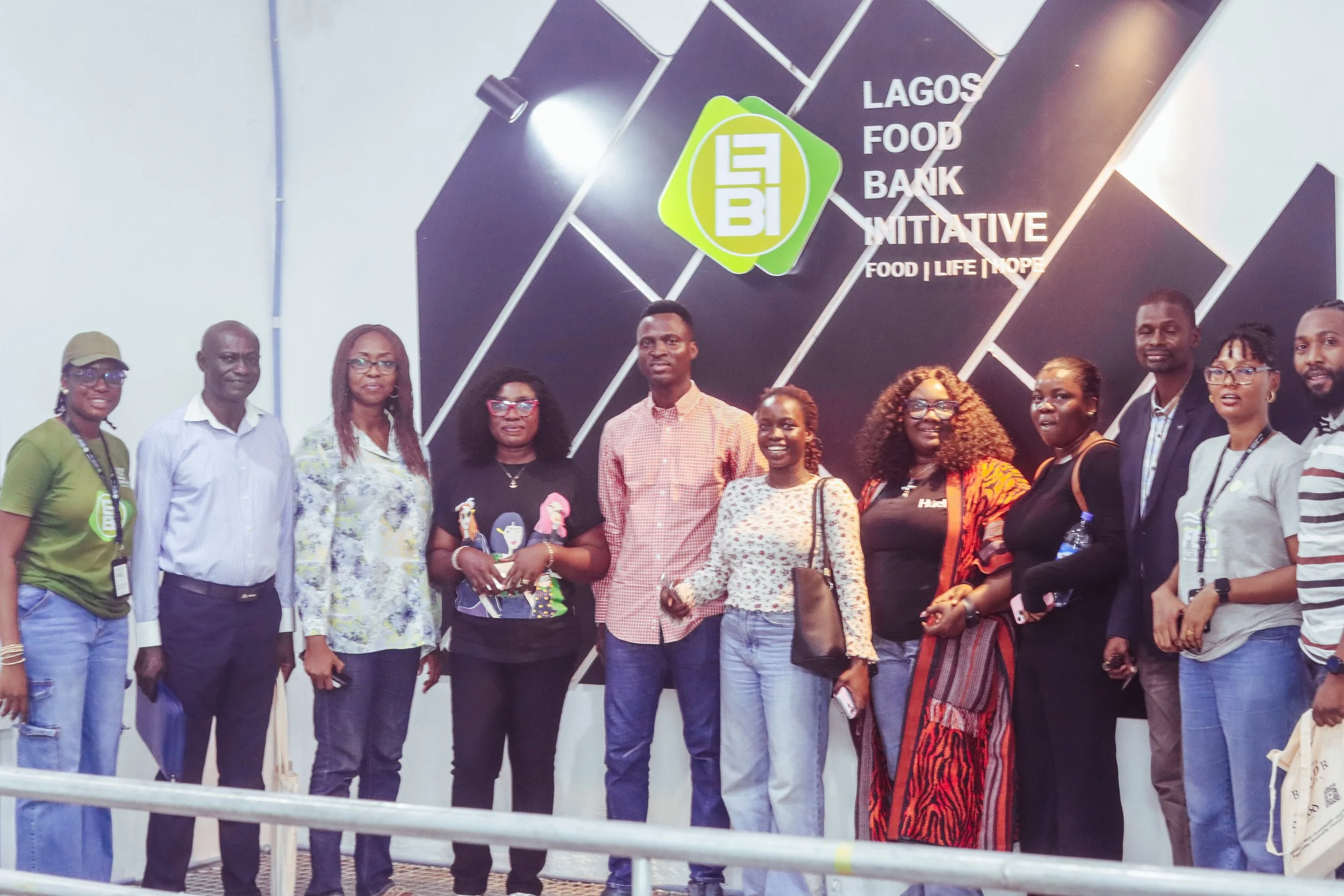
In-person participants and partners from Nigeria at the hybrid international knowledge exchange workshop.
About the Workshop
The Nigeria-Wales Knowledge Exchange Workshop brought together food redistribution practitioners, researchers, policymakers, community organisations, and other stakeholders to explore how rescued and surplus food can support food access across different social, organisational, and governance contexts.
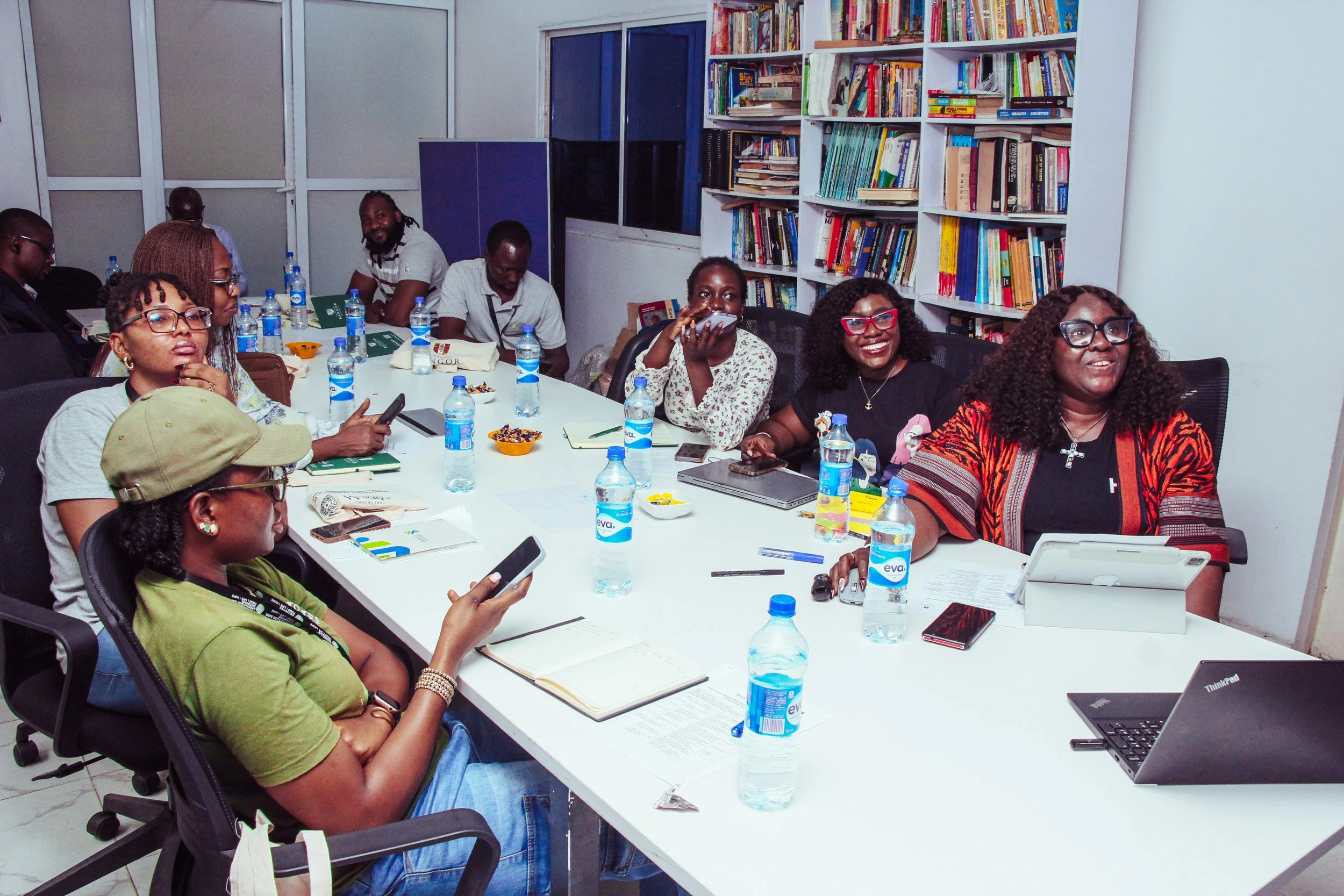
Hosted simultaneously in Lagos and North Wales, with additional participants joining online, the workshop provided a shared space for participants to exchange experiences, discuss challenges, and identify opportunities for collaboration. The discussions centred on governance, everyday practice, food access, health and nutrition, sustainability, and the potential for mutual learning between Nigeria and Wales.
Workshop at a Glance
📅 Date
9 July 2026
🌍 Format
Hybrid: Lagos, North Wales and online
👥 Participants
Researchers, food redistribution practitioners, policymakers, community organisations and partner institutions from Nigeria and Wales
🎯 Focus
Food access through rescued food, governance, practice, sustainability and Nigeria-Wales collaboration
🎤 My Role
Workshop organiser, researcher, presenter and facilitator
🎥 Workshop Highlights (58-second video)
Experience some of the key moments from the Nigeria–Wales Knowledge Exchange Workshop, including presentations, discussions, breakout sessions, and interactions between participants from Nigeria and Wales. This short film, produced by the Lagos Food Bank Initiative, captures the collaborative spirit and energy of the day
Workshop highlights video produced by the Lagos Food Bank Initiative.
Workshop Purpose and Objectives
Workshop Purpose
The workshop was designed to move beyond a one-way presentation of research. It created an opportunity for participants to compare experiences, question assumptions, share practical knowledge, and consider how research and practice can better inform one another.
Objectives
Share experiences of food redistribution and food access across Nigeria and Wales.
Explore how governance, infrastructure, organisational practice, health, and local context shape redistribution systems.
Identify common challenges, differences, and transferable learning across both contexts.
Develop opportunities for future research, practitioner exchange, policy engagement, and collaboration.
Programme Highlights
Setting the Context
A short presentation introduced the research journey, the Nigeria and UK case studies, and the purpose of bringing stakeholders together
Organisational Vignettes
Case organisations shared brief accounts of their everyday work, operational realities, and approaches to food access and redistribution
Breakout Conversations
Participants explored themes including governance, practice, collaboration, health, nutrition, and the challenges of working across different contexts.
Shared Reflections
Participants reflected on who benefits from current food redistribution systems, which groups may remain underserved, and what needs to change.
Looking Forward
The closing session focused on future collaboration, knowledge exchange, and practical next steps following the workshop.
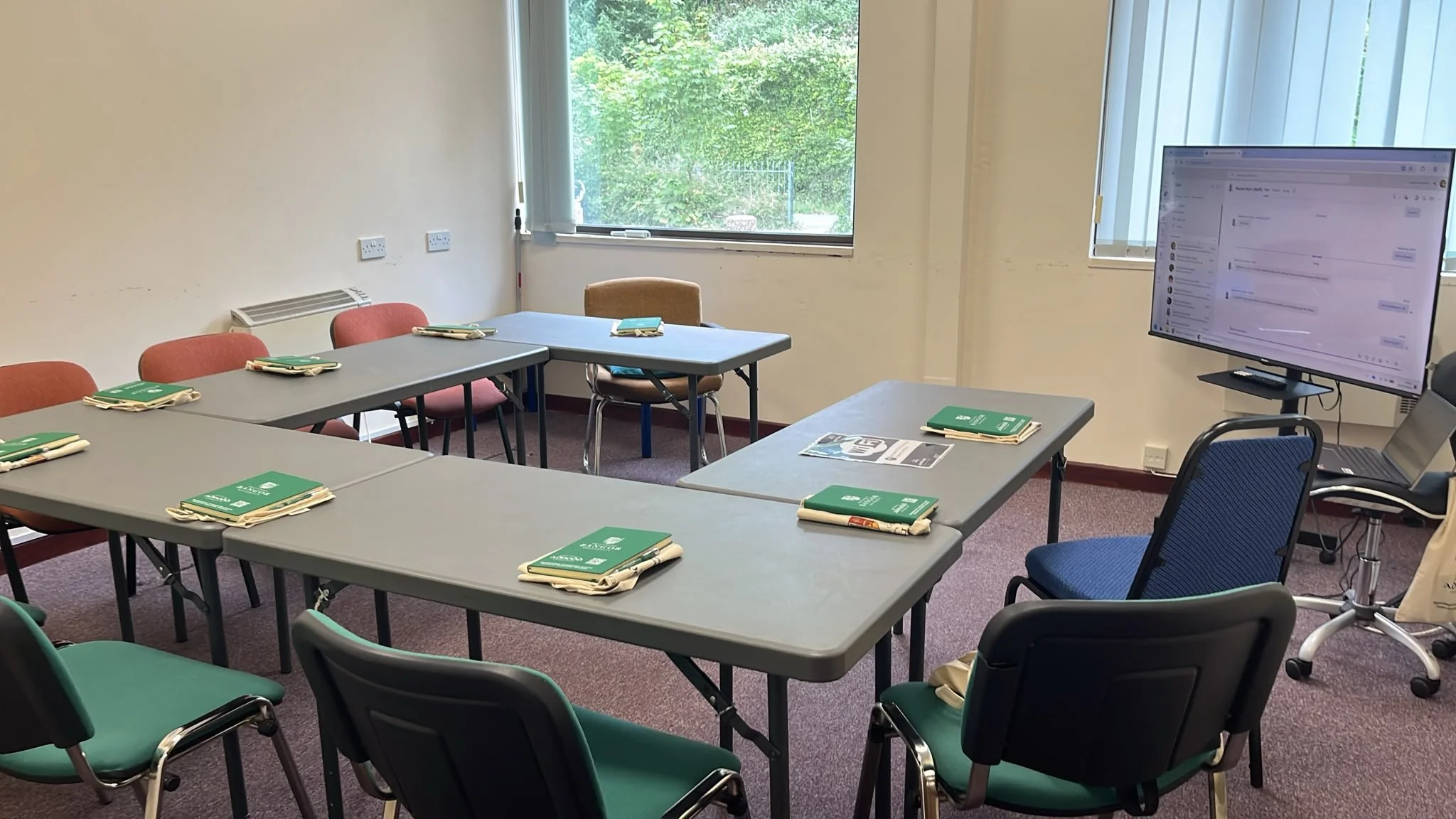
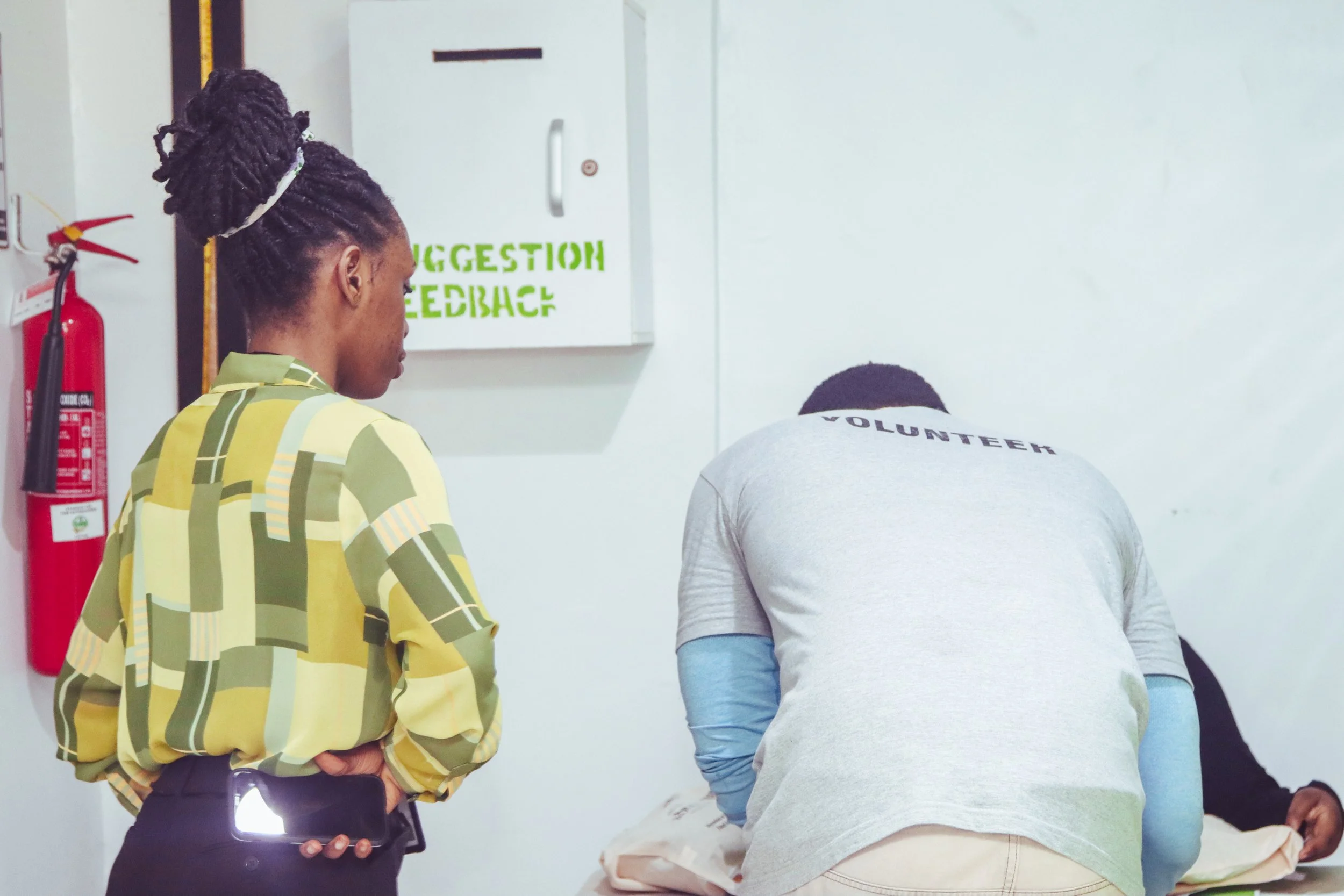
Photo Gallery
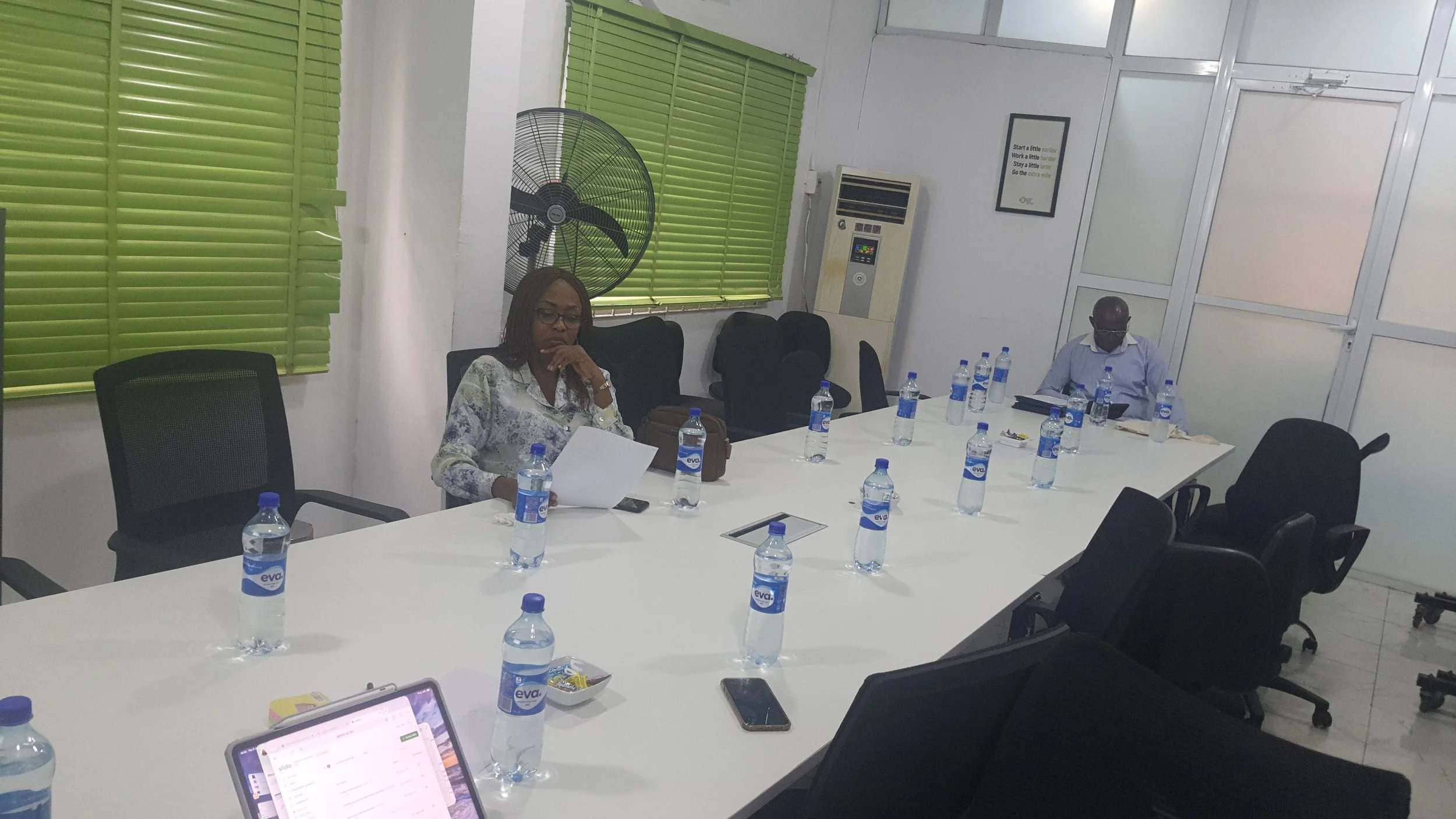

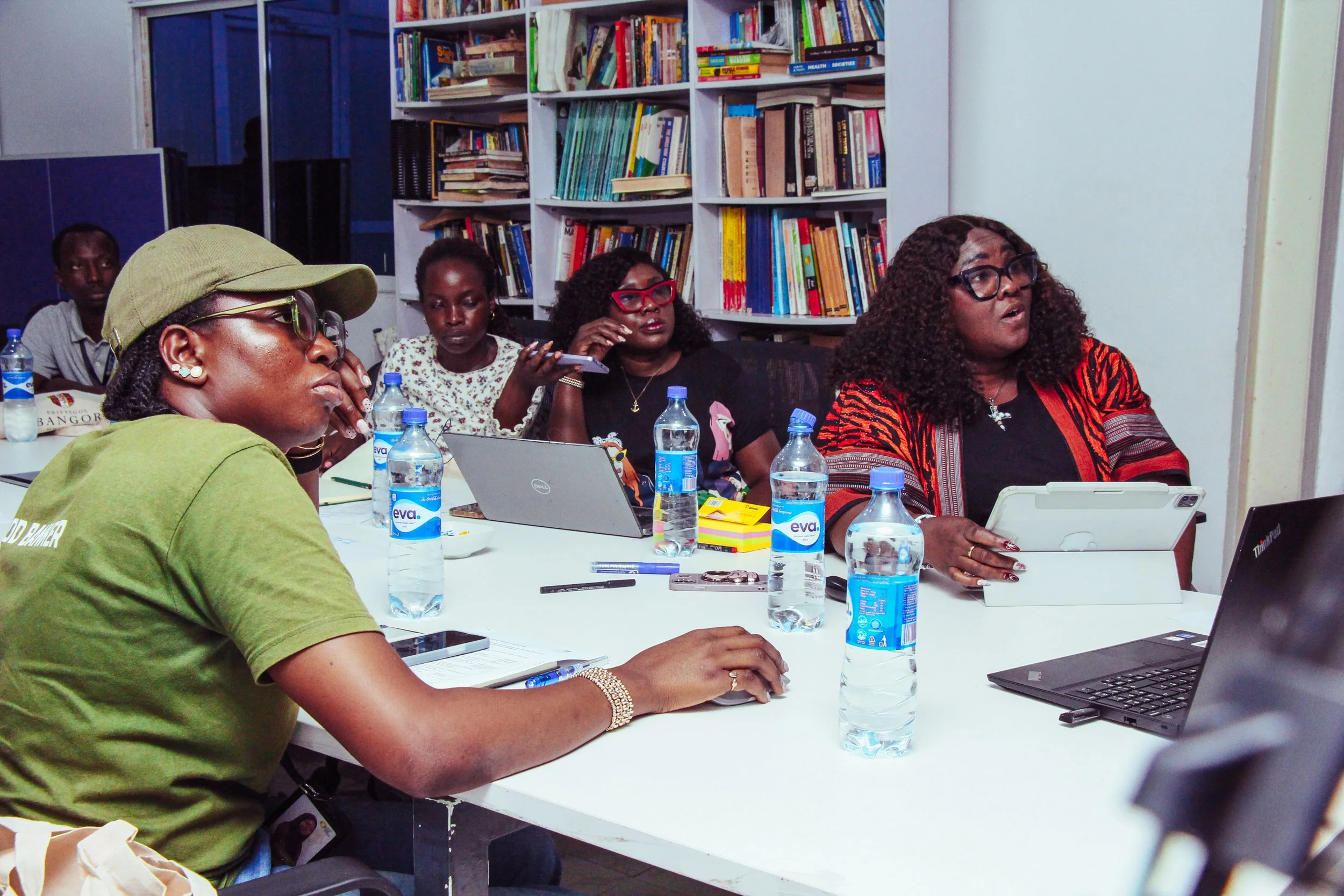
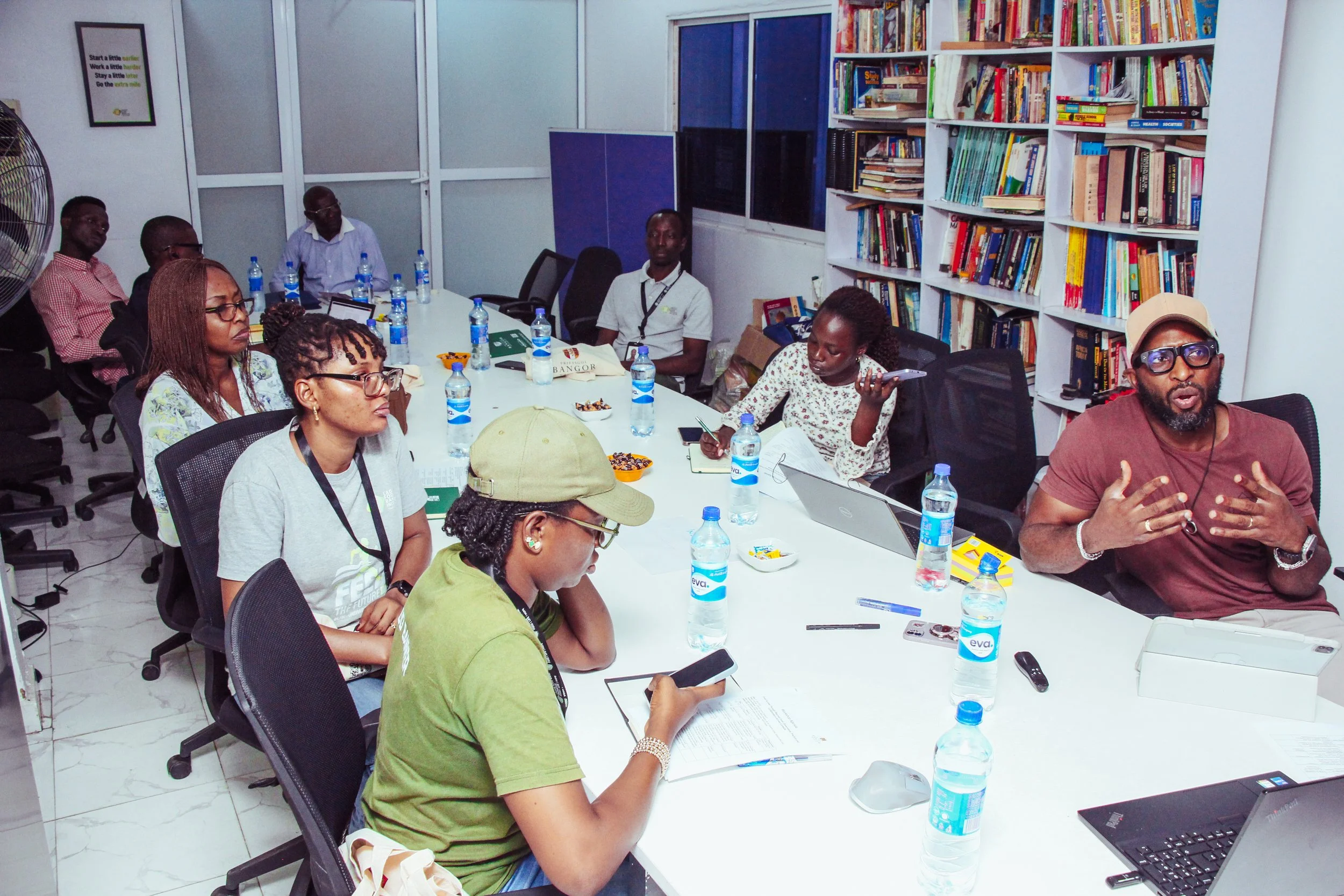
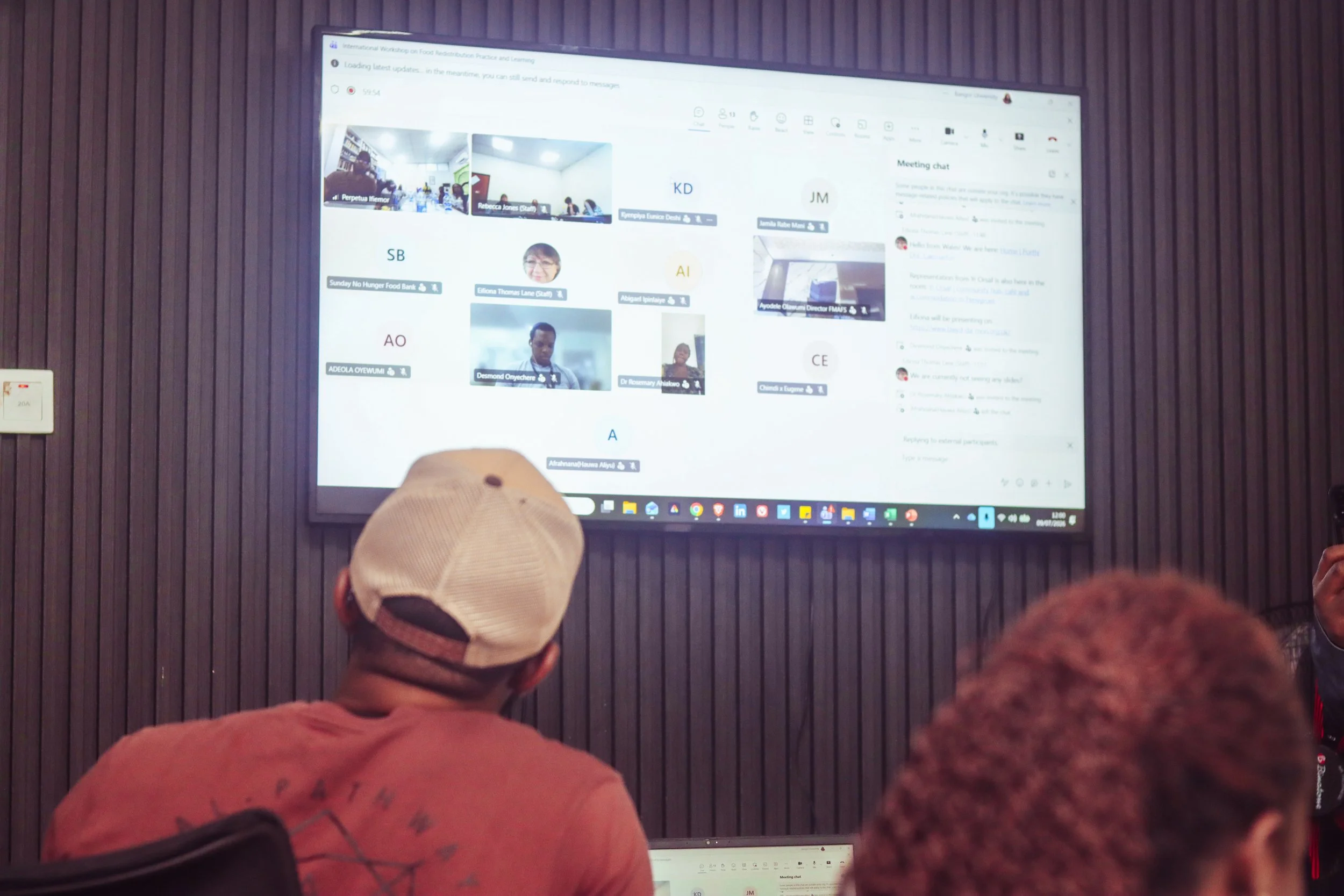
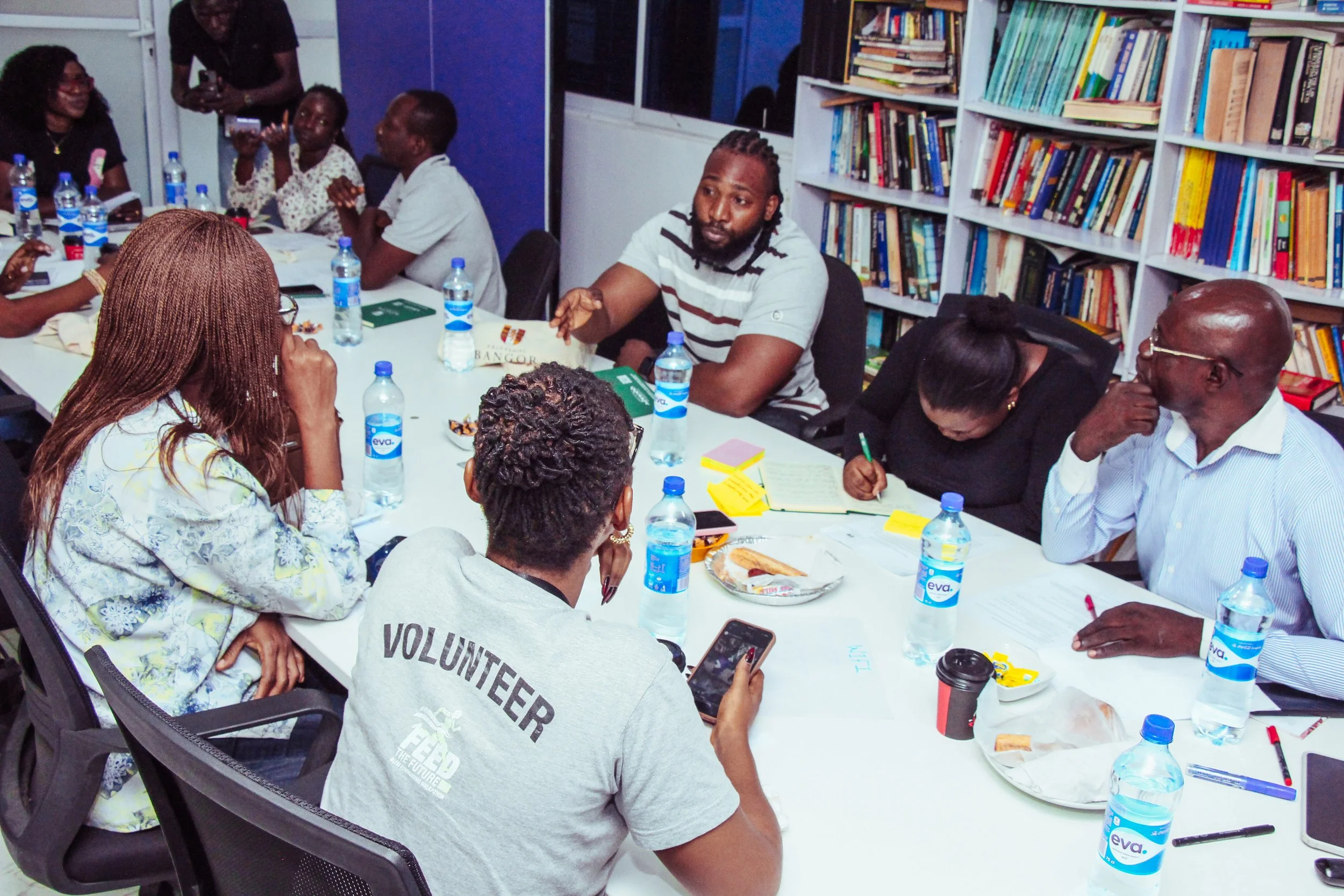
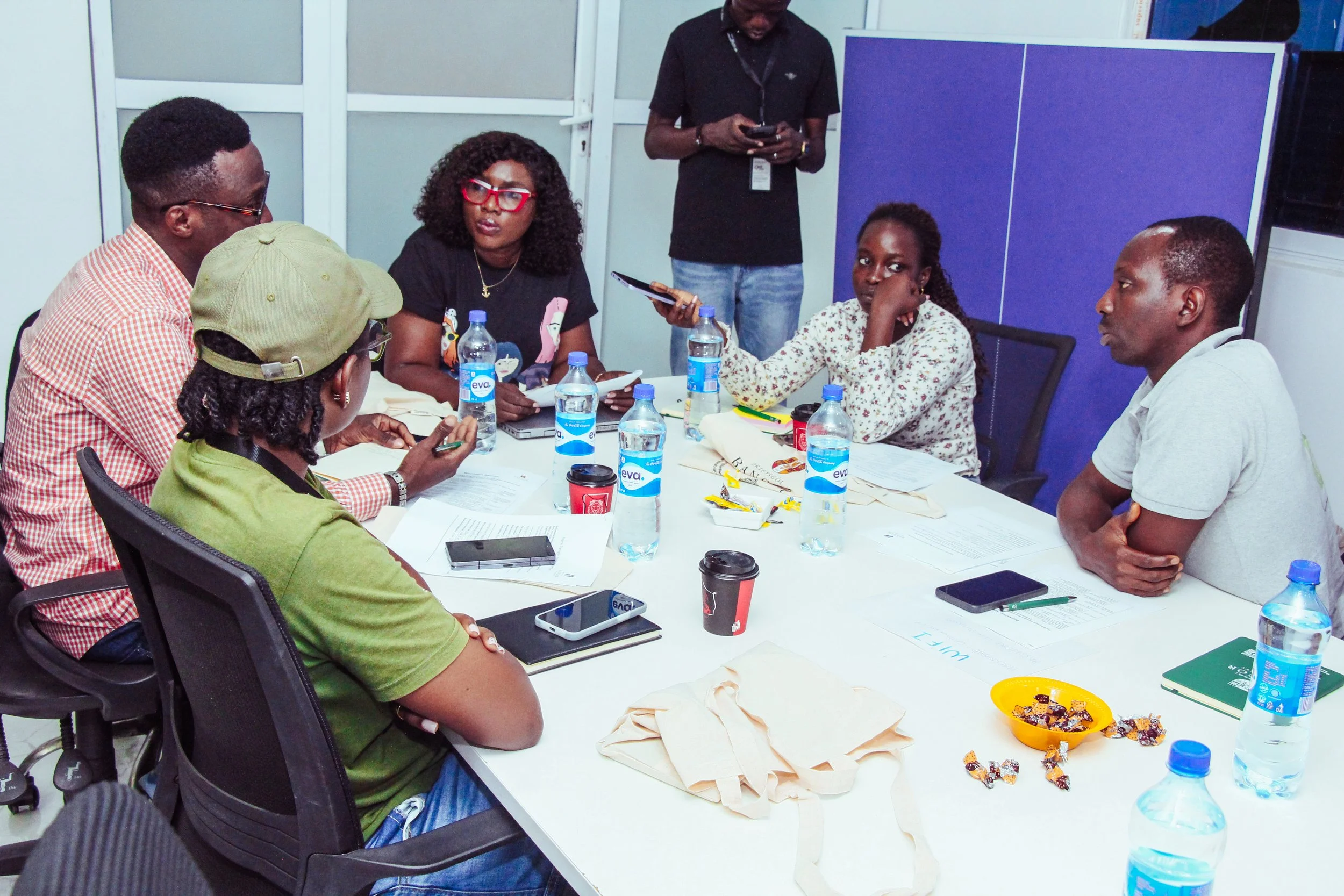
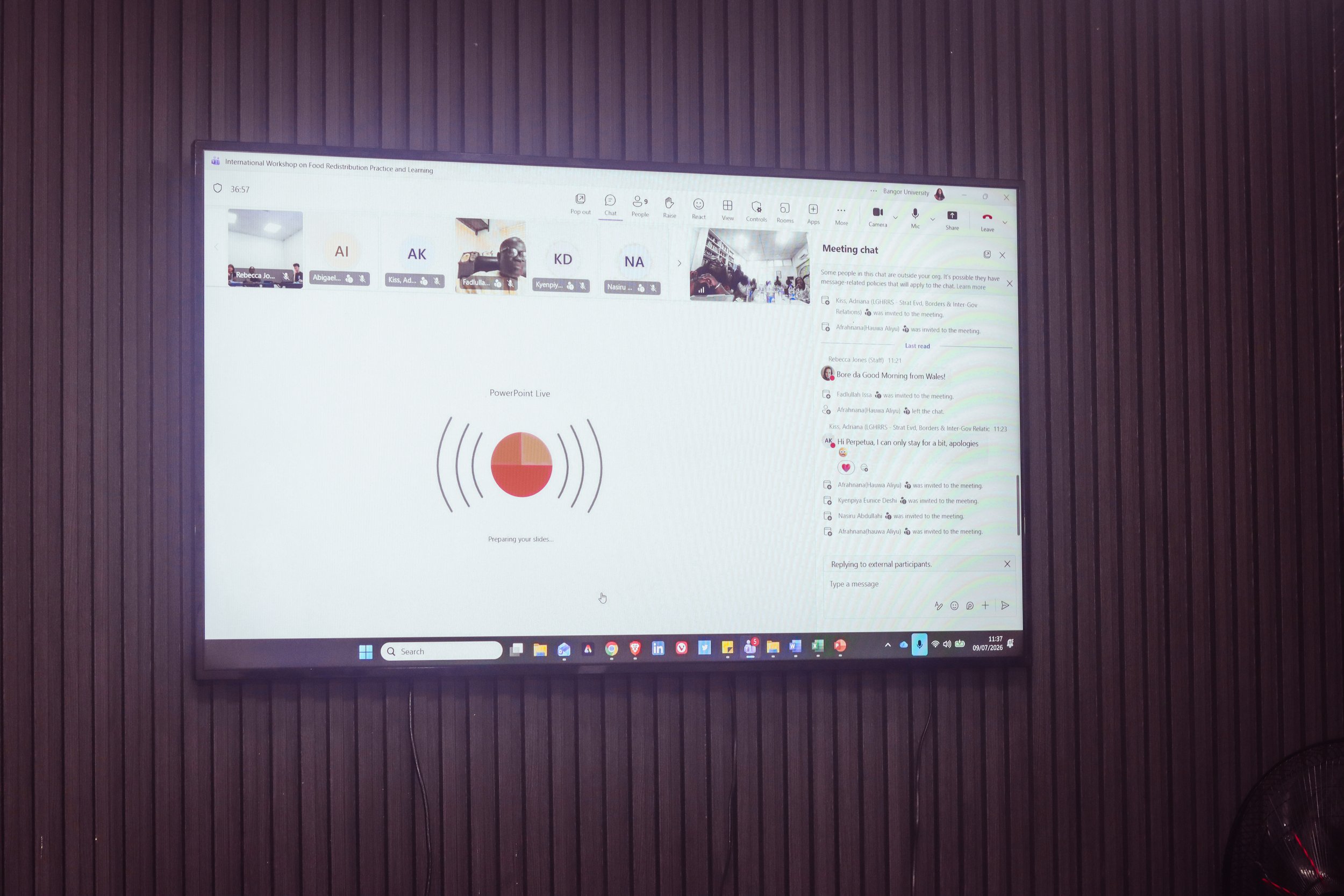
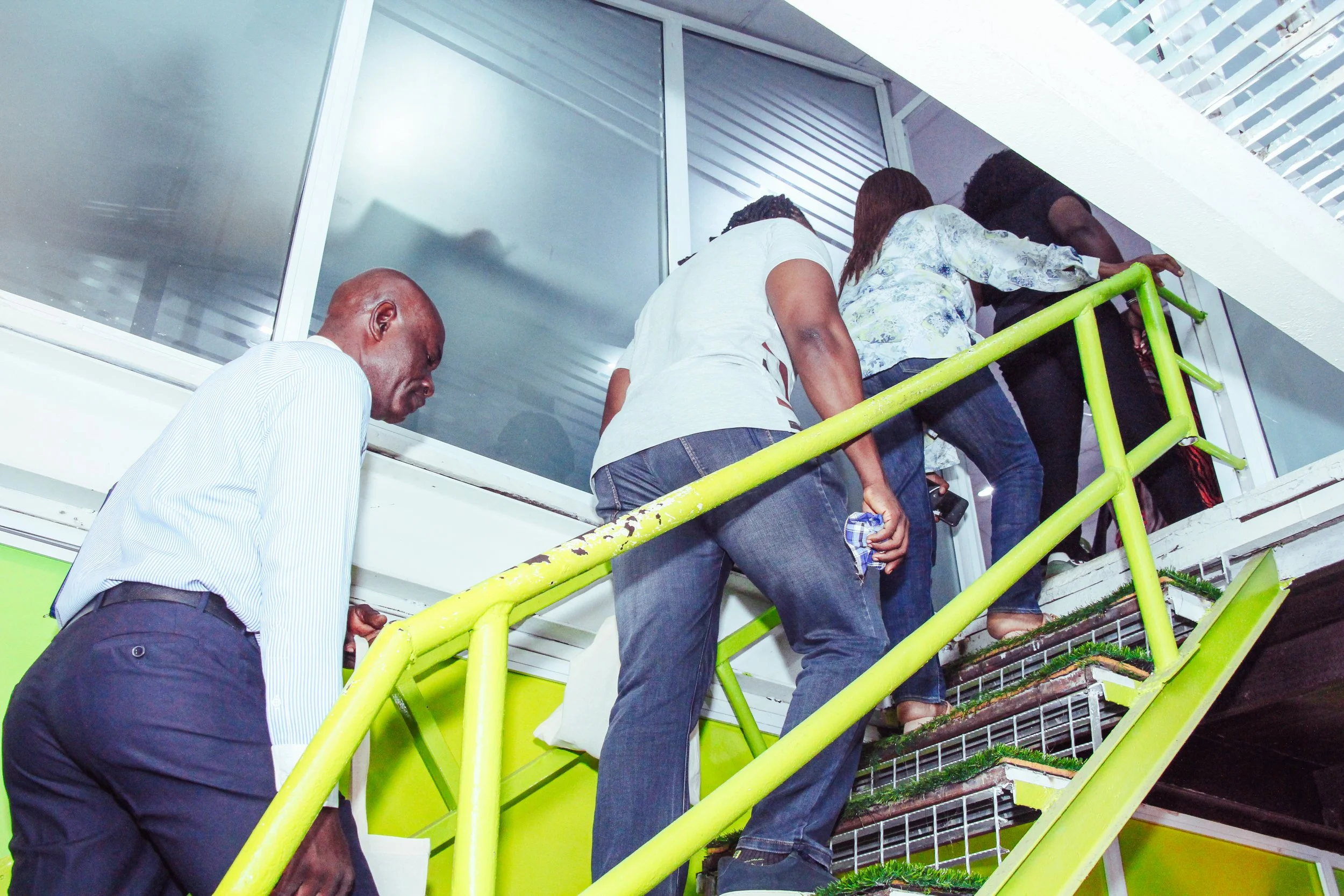
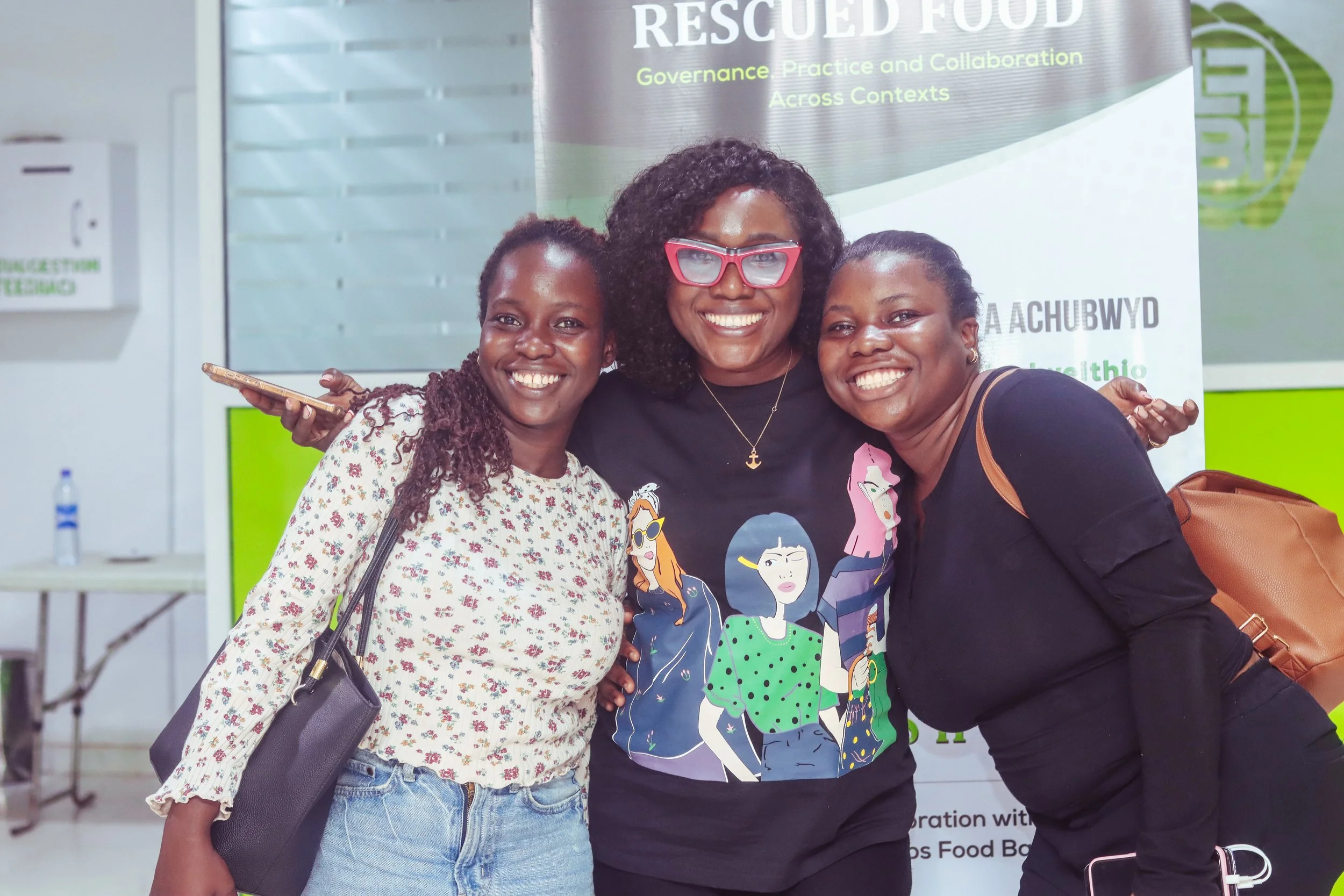
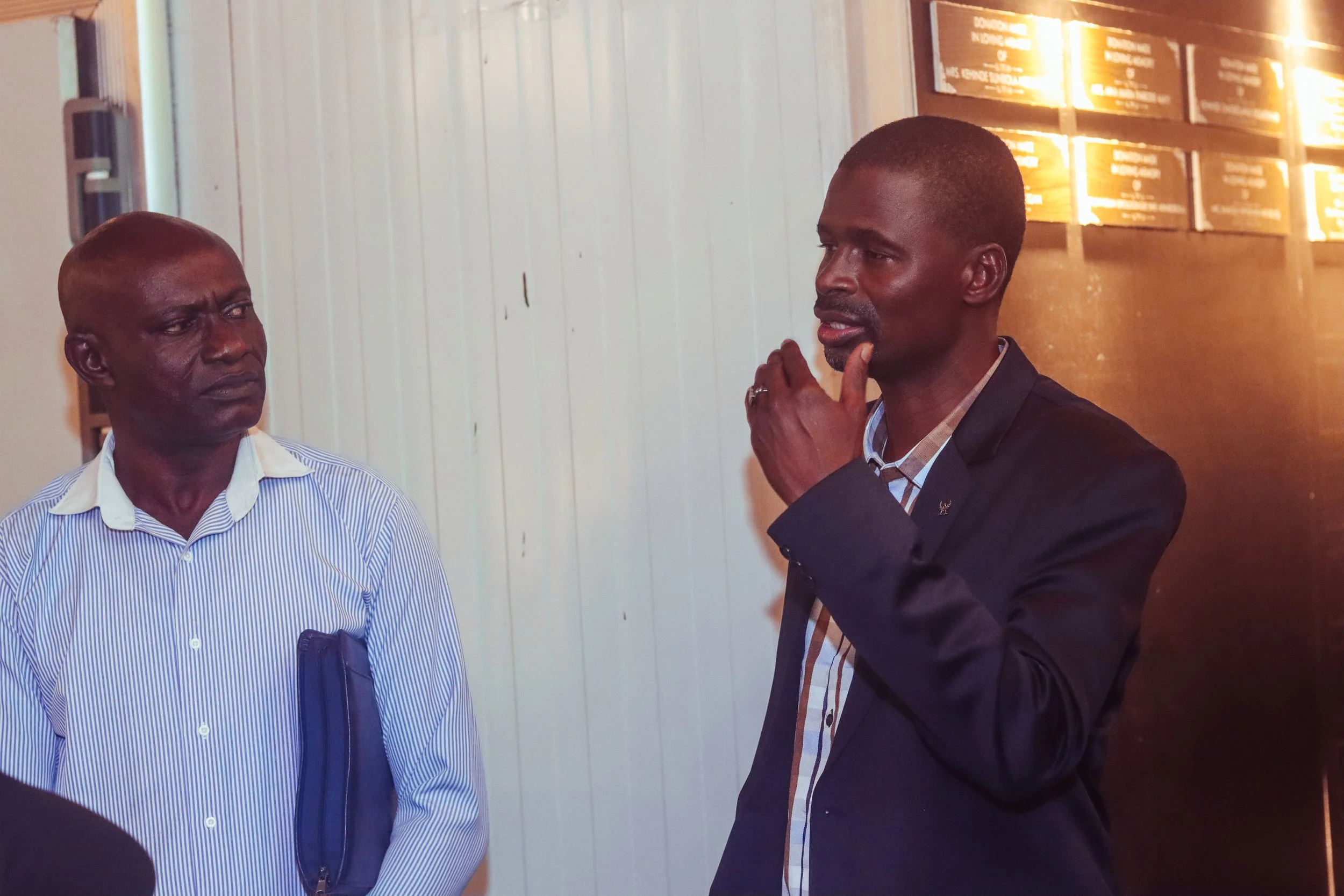
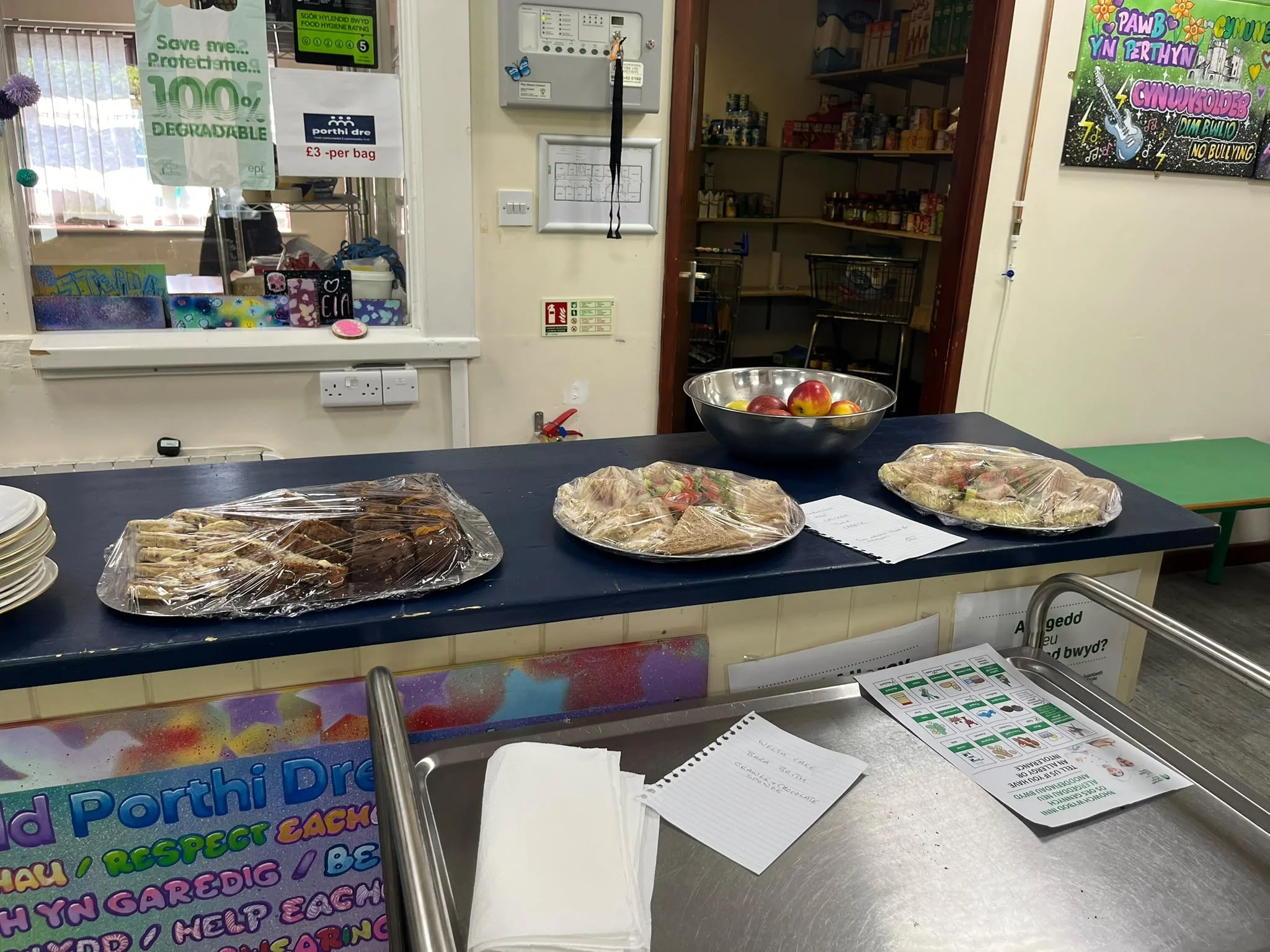
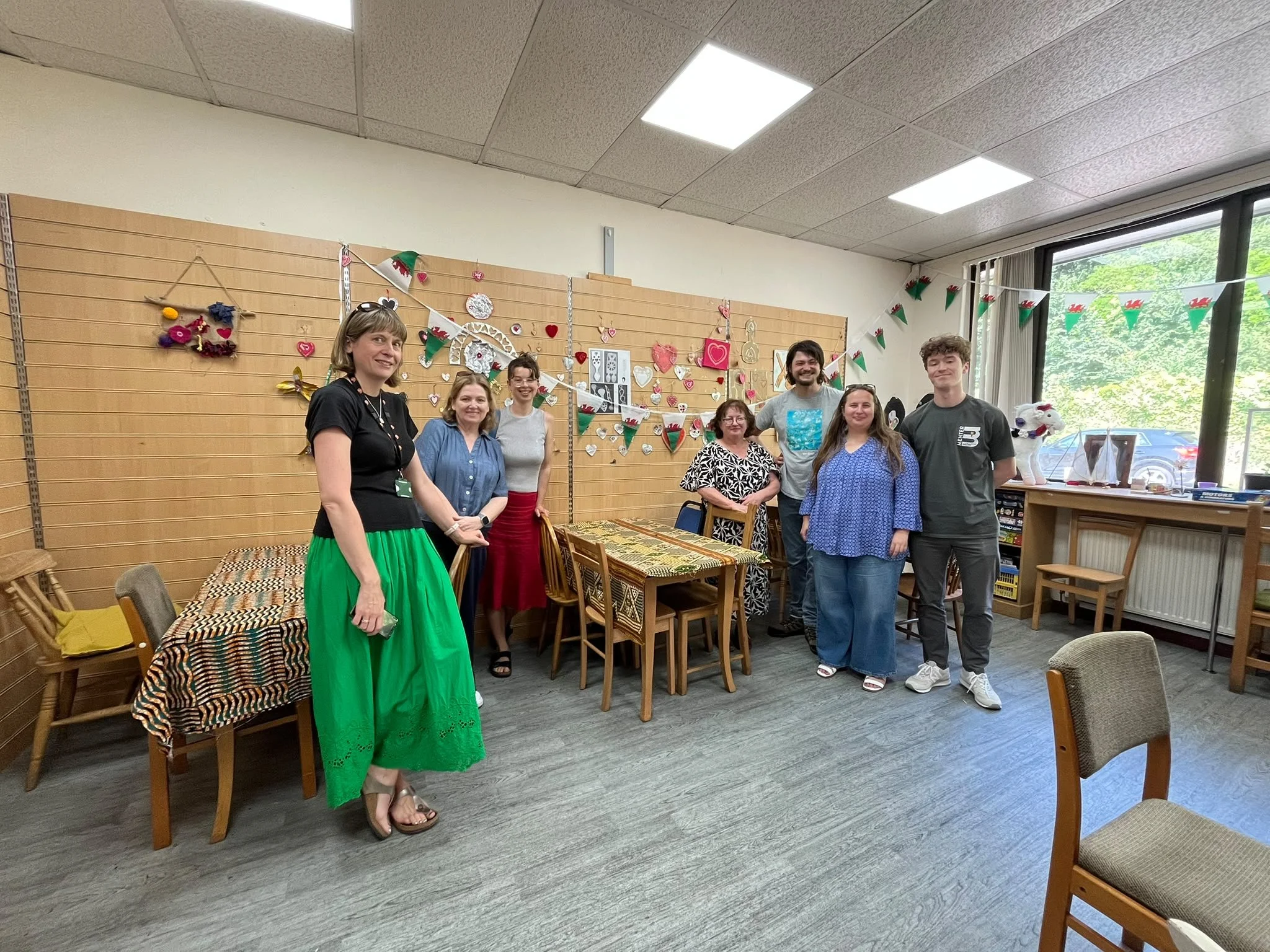
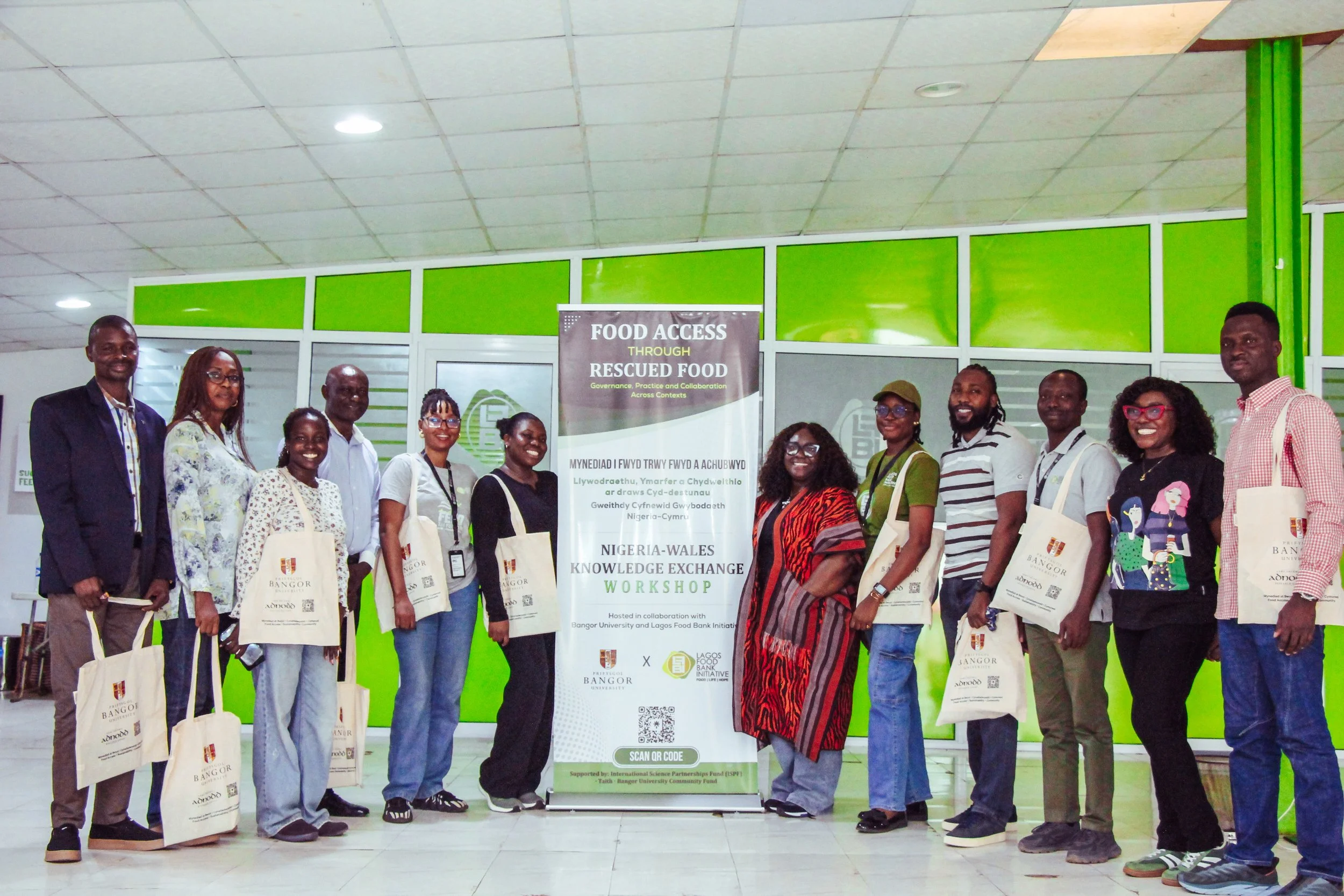
Selected moments from the Nigeria-Wales Knowledge Exchange Workshop, including the opening presentation, hybrid discussions, breakout sessions, participant reflections, and cross-country engagement.
My Reflection
Bringing this workshop together was one of the most intense and rewarding parts of my PhD journey so far. The idea began as a way to create a space where people working across different food redistribution systems could speak directly to one another, share what they were learning, and reflect on the challenges they face in practice, rather than working in silos.
What stayed with me most was how participants from Nigeria and Wales recognised important similarities in their experiences, despite working within very different systems. Questions about funding, infrastructure, dignity, health, collaboration, and the pressure to respond to growing need came up repeatedly. At the same time, the workshop highlighted how context matters and why approaches cannot simply be transferred from one place to another without careful consideration.
I was especially encouraged by the openness of the conversations and participants' willingness to share practical experiences rather than only polished success stories. It reminded me that some of the most useful knowledge is created when researchers, practitioners, policymakers, and communities listen to one another.
The workshop has given me valuable material to reflect on as I continue analysing my research. It has also strengthened my belief that surplus food redistribution should not be understood solely as moving food from one place to another. It is also about relationships, governance, trust, dignity, infrastructure, and the wider systems that shape who can access food and under what conditions.
Most importantly, the workshop did not feel like an ending. It felt like the start of a wider conversation about what Nigeria and Wales can continue to learn from each other.
Emerging Workshop Themes
The themes below are provisional reflections drawn from workshop discussions and participant contributions. They do not represent final research findings.
They include:
Food access and dignity
Governance and accountability
Organisational capacity and infrastructure
Health and nutrition
Community trust and local knowledge
Collaboration across sectors and countries
Sustainability and the limits of redistribution
Participants Reflections & Key Insights
Participants shared anonymous reflections through Slido at the beginning and end of the workshop. These reflections provide an insight into how participants understood food access through rescued food, who they believed currently benefits from redistribution efforts, and where they saw opportunities for future collaboration and improvement. While not intended as research findings, they offer a valuable snapshot of participants' perspectives at different points during the workshop.
At the Beginning
🌍 Food access was understood broadly
Participants associated rescued food with food availability, accessibility, reducing hunger, wellbeing, affordability, fairness and sustainability.
👥 Low-income households were seen as the main beneficiaries
Most respondents believed rescued-food redistribution currently supports low-income households most directly.
⚠️ Some groups may still be underserved
Participants most frequently identified older people, alongside children and schools, single parents, migrants and asylum seekers as groups requiring greater attention.
At the End
🏛️ Stronger public support and accountability are needed
Participants highlighted the need for government support, clearer regulation, defined responsibilities, implementation plans, and effective monitoring.
🤝 Collaboration must continue across sectors
There was a strong call for organisations and stakeholders to collaborate more closely, with fewer silos and strengthening links between government, businesses, community groups, and international partners.
💡 Important questions remain for future work
Participants wanted further discussion on funding, transport, local food chains, access to fresh produce, public awareness, climate pressures, and how to reach groups such as widows, youth, and children who are out of school.
These reflections suggest that the workshop not only created opportunities for knowledge exchange but also prompted participants to think more critically about who benefits from food redistribution, which groups may remain underserved, and how cross-sector collaboration can strengthen food access in different contexts
The reflections above have been paraphrased from anonymous Slido responses and opening poll results. They represent the views of those who responded and should not be taken as representing the views of every workshop participant.
Workshop Outcomes
The workshop created opportunities for knowledge exchange, reflection, and collaboration between participants from Nigeria and Wales. It also generated valuable evidence that will inform the next stage of this doctoral research.
Key outcomes included:
Brought together researchers, practitioners, policymakers, and community organisations from Nigeria and Wales to exchange knowledge and practical experiences.
Strengthened relationships between organisations working across food redistribution, food access, and community support.
Generated rich workshop evidence through breakout discussions, written participant contributions, Slido responses, facilitator notes, and audio recordings.
Identified shared priorities around governance, collaboration, food access, sustainability, and support for underserved communities.
Highlighted opportunities for future practitioner exchange, policy dialogue, and international collaboration.
Increased awareness of surplus food redistribution as a social, environmental, health, and governance issue.
Research in Progress
The workshop generated a substantial body of qualitative material, including participant reflections, discussion notes, anonymous Slido responses, and audio recordings. These materials are currently being analysed alongside other doctoral research data and will contribute to future publications, reports, and knowledge exchange activities.
What Happens Next
The workshop marked an important stage in the research rather than its conclusion. The evidence generated during the event is now being reviewed and analysed to inform future research outputs and engagement activities.
Current work includes:
Transcribing workshop discussions and participant audio recordings.
Converting handwritten workshop notes into digital text for qualitative analysis.
Reviewing Slido responses alongside facilitator observations and discussion notes.
Preparing the workshop report and summaries for participating organisations and funders.
Developing policy and practitioner-facing outputs based on the workshop discussions.
Incorporating relevant workshop insights into the comparative analysis within the doctoral research.
Continuing conversations with participating organisations to explore future collaboration between Nigeria and Wales.
Further outputs, including the workshop report, participant interview highlights, policy-facing summaries, and additional resources, will be added to this page as they become available.
Acknowledgements & Partners
Acknowledgements
This workshop was made possible through the support of several organisations and funding bodies. I am grateful to everyone who contributed their time, expertise and resources to make this international knowledge exchange possible.
Organising and Delivery Partners

I would also like to warmly thank all participants who generously shared their experiences, reflections and practical insights throughout the workshop. Their contributions have enriched the ongoing development of this research.
Funding Support
This workshop was supported through funding from:
International Science Partnerships Fund (ISPF)
Taith Research Mobility
Bangor University Community Fund
My special thanks to the Lagos Food Bank Initiative (LFBI) for hosting the Nigeria workshop, supporting the event’s delivery, and producing the workshop highlights video featured on this page.
Related Resources
Additional workshop materials will be uploaded as they become available. These will include reports, summaries, workshop resources and other outputs developed from the knowledge exchange.
Stay Connected
If you would like to learn more about the workshop, discuss potential collaborations, or receive updates on future outputs, please get in touch.